

India-New Zealand FTA Comes Into Effect Tuesday: How the Deal Will Boost Indian Exports, Investment and Jobs ?
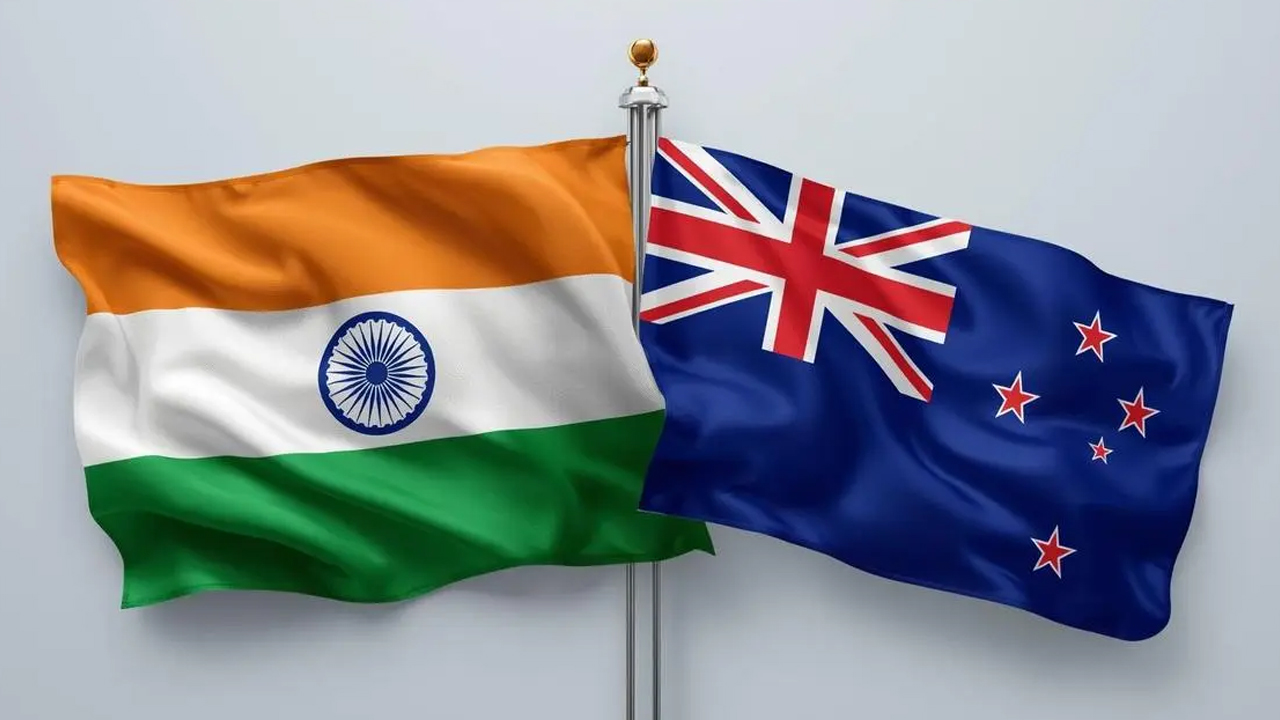
The India-New Zealand Free Trade Agreement (FTA) comes into effect on Tuesday, opening new opportunities for Indian exporters through duty-free access to the New Zealand market. The agreement is expected to boost exports, attract investment, create employment opportunities and strengthen agricultural cooperation between the two countries.
According to the Ministry of Commerce and Industry, the agreement will particularly benefit labour-intensive sectors such as textiles, apparel, leather and footwear, where tariffs of up to 10 per cent will be eliminated from the outset. Engineering goods, pharmaceuticals, machinery, chemicals and agricultural products are also expected to gain from improved market access.
Union Commerce and Industry Minister Piyush Goyal said New Zealand’s commitment to facilitate USD 20 billion in investments into India could provide a significant boost to manufacturing, infrastructure, services and innovation.
In a post on X, Goyal said the proposed investment commitment held immense potential to strengthen businesses, support employment and encourage economic growth.
Commerce Secretary Rajesh Agrawal said the agreement was designed to establish a long-term economic partnership that goes beyond tariff reductions and increased exports, with a focus on deeper cooperation between the two countries.
How Will the FTA Benefit India?
The agreement is expected to make Indian products more competitive in New Zealand by reducing or eliminating import duties. Lower tariffs could help Indian businesses expand their presence in the market, increase export earnings and create jobs, particularly in labour-intensive industries.
The proposed investment commitment of USD 20 billion could also support India’s manufacturing capabilities, infrastructure development and services sector, subject to the realisation of the investment plans.
The FTA covers market access across 70 per cent of tariff lines, while India has excluded 30 per cent of its tariff lines to protect sensitive sectors. New Zealand will eliminate duties immediately on 30 per cent of tariff lines covered by the agreement, while reductions on other lines will be phased in over a period of up to 10 years or implemented through tariff cuts and tariff-rate quotas.
Faster Customs Clearance
The agreement also aims to streamline trade procedures and reduce delays. Cargo is expected to be cleared within 48 hours, while express and perishable consignments are expected to receive clearance within 24 hours.
Digital certification and self-certification of rules of origin for eligible exporters are also envisaged, potentially reducing paperwork and making cross-border trade more efficient.
Boost to Agriculture and Farmers
Agricultural cooperation is another key component of the agreement. India and New Zealand will launch a productivity partnership drawing on New Zealand’s expertise in precision agriculture and related technologies.
The partnership will focus on improving farm productivity and farmers’ incomes, including through Centres of Excellence for apples, kiwifruit and honey. However, sensitive sectors, including dairy, will remain protected under the agreement.
Target to Double Bilateral Trade by 2030
Bilateral trade in goods and services currently stands at USD 2.4 billion. Both countries have set a target of doubling trade to NZD 7 billion, equivalent to approximately Rs 35,000 crore, by 2030.
Signed on April 27 and ratified on September 21, the agreement is also intended to diversify India’s export destinations and strengthen supply-chain links.
With the FTA coming into effect on Tuesday, India and New Zealand are seeking to deepen economic ties, expand business opportunities and create a stronger foundation for long-term trade and investment cooperation.