

Bangladesh’s Rooppur Nuclear Reactor Achieves First Criticality, Power Generation Nears
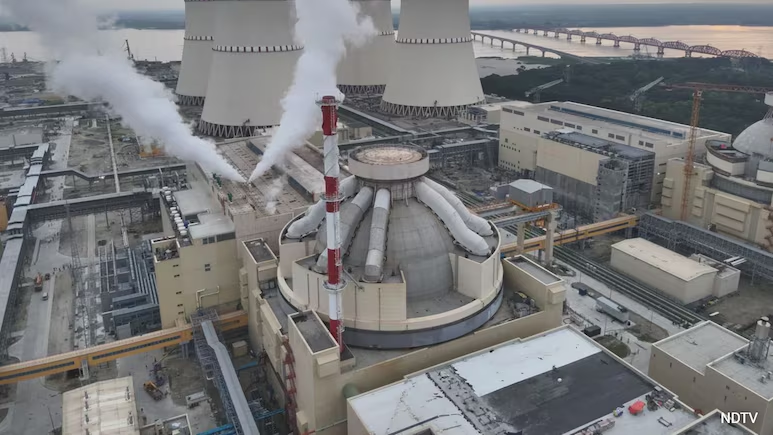
Bangladesh has reached a major milestone in its nuclear energy programme, with Unit 1 of the Rooppur Nuclear Power Plant achieving first criticality on October 11, 2026. The development marks the start of a controlled, self-sustaining nuclear chain reaction, bringing the country closer to generating nuclear electricity for the first time.
Bangladesh has taken a significant step towards entering the nuclear power-producing nations’ club as its first nuclear reactor successfully achieved first criticality at the Rooppur Nuclear Power Plant in Pabna district. The milestone marks a crucial phase in commissioning the facility, although commercial electricity generation is yet to begin.
The project’s first unit uses Russia’s VVER-1200 reactor technology, with a designed capacity of 1,200 megawatts (MW). Rooppur comprises two reactors with a combined planned capacity of 2,400 MW, making it one of Bangladesh’s most ambitious energy infrastructure projects.
First criticality means that a controlled nuclear chain reaction has become self-sustaining inside the reactor core. However, the achievement does not mean that the plant is already supplying electricity. Engineers must complete further safety checks, equipment testing and commissioning trials while gradually increasing the reactor’s power before it can be connected to the national grid.
According to the project timeline outlined by the Russian nuclear corporation Rosatom, the next phase will involve power start-up preparations and additional testing, with the first electricity from Unit 1 expected to reach Bangladesh’s national grid around November 20, 2026. The timeline remains subject to successful completion of commissioning and regulatory requirements.
A $12.65 Billion Energy Project
Located in Pabna district, approximately 160 kilometres from Dhaka, the Rooppur project is being constructed by Rosatom under an agreement between Russia and Bangladesh. The two countries signed an intergovernmental agreement in 2011, while the general construction contract was signed in December 2015. The original project contract was valued at approximately $12.65 billion.
Construction of Unit 1 began in November 2017, followed by Unit 2 in July 2018. The first shipment of nuclear fuel arrived in October 2023. In April 2026, Bangladesh’s nuclear regulator issued an operating licence, and all 163 fuel assemblies were subsequently loaded into the first reactor, according to the project details provided.
The achievement of first criticality represents a key transition from construction and fuel loading to reactor operation and commissioning. The unit must now undergo a series of tests to demonstrate that its systems perform according to technical and safety requirements.
Why Rooppur Matters for Bangladesh
Bangladesh has long depended heavily on natural gas, imported fuels and other conventional sources to meet its growing electricity demand. Nuclear power is expected to diversify the country’s energy mix and provide a stable source of low-carbon electricity once the plant becomes operational.
When both units enter service, Rooppur will have a combined installed capacity of 2,400 MW. This could strengthen electricity supply for households, industries and businesses while helping Bangladesh reduce some of its exposure to fluctuations in imported fossil-fuel prices.
The project also represents a major investment in technical skills, nuclear regulation and long-term energy infrastructure. However, its overall benefits will depend on the successful commissioning of both reactors, reliable operation, financing and maintenance costs, and the safe management of nuclear waste.
Advanced Reactor Technology
Rooppur uses the VVER-1200, a Russian-designed Generation III+ pressurised water reactor. The design incorporates multiple safety systems, including active and passive features intended to reduce accident risks and improve the reactor’s ability to respond to abnormal conditions.
India’s Kudankulam Nuclear Power Plant, also built with Russian assistance, uses VVER-1000 reactors. The VVER-1200 represents a newer design generation, although comparing reactor technologies requires consideration of their specific configurations, safety assessments and operating experience.
India has a much longer history of nuclear electricity generation, with operational plants at locations including Tarapur, Rajasthan, Kakrapar, Kaiga, Narora and Kudankulam. Bangladesh’s entry into nuclear power therefore marks a new development for the country rather than a shift in the regional balance of nuclear experience.
India also has a connection to the Rooppur project through technical cooperation: the Nuclear Power Corporation of India Limited has trained Bangladeshi nuclear engineers.
A New Chapter in South Asian Energy
The development adds a new dimension to South Asia’s energy landscape. India and Pakistan have operated nuclear power plants for decades, while Bangladesh is now moving towards commissioning its first facility using modern reactor technology.
For Bangladesh, Rooppur is both an energy-security initiative and a test of its capacity to operate complex nuclear infrastructure under a robust regulatory framework. Achieving first criticality is an important step, but sustained safe operation and successful grid connection will determine the project’s long-term contribution.
With further testing and commissioning ahead, Bangladesh is approaching a historic transition. If the remaining stages proceed as planned, Rooppur will become a major new source of electricity and a landmark in the country’s technological development.