

Uber Cuts 3,300 Jobs Globally: What’s Next for Assam’s App-Cab Drivers?
Ride-hailing giant Uber’s decision to cut around 3,300 jobs globally has also affected its India operations, with around 200–250 employees reportedly laid off across technology, operations and other functions.
The move comes at a time when Uber and other app-based transport platforms are facing growing pressure from drivers in Assam over earnings and working conditions.
The India layoffs are part of Uber’s largest workforce reduction since the COVID-19 pandemic. CEO Dara Khosrowshahi said the restructuring is aimed at simplifying the company’s organisational structure, reducing management layers and redirecting resources towards core businesses and future growth areas, including autonomous mobility.
Guwahati drivers’ protest adds Assam angle
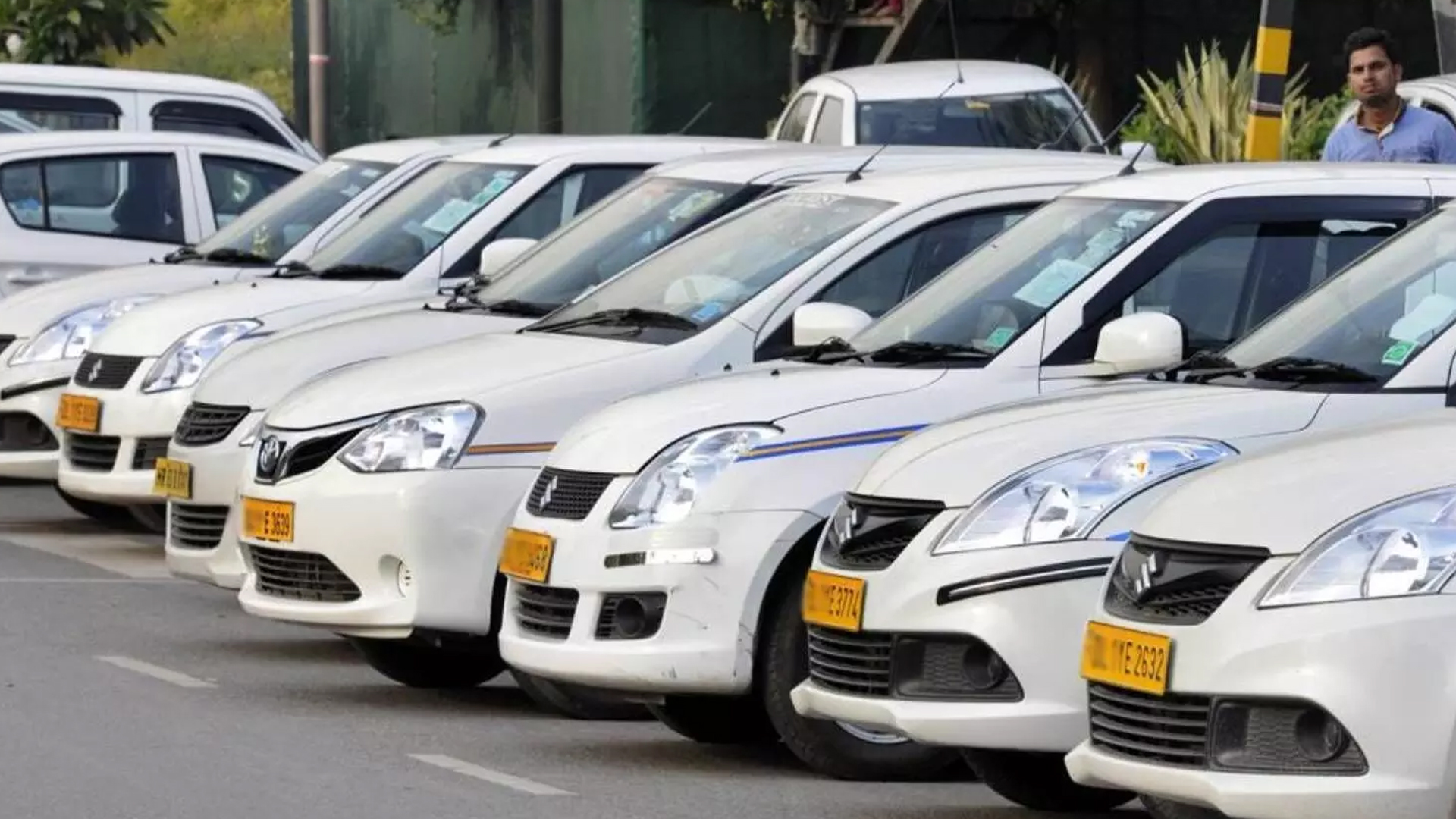
In Guwahati, app-based cab, auto-rickshaw and bike-taxi drivers launched an indefinite strike on September 1, severely disrupting services across the city. Drivers associated with platforms including Uber, Ola and Rapido raised concerns over low earnings, rising operational costs and account blockages.
The drivers have demanded a revision of the fare structure, including a minimum fare of ₹25 per kilometer for hatchbacks and ₹30 per kilometer for sedans. They have also sought mandatory waiting and cancellation charges and a dedicated local office through which drivers can raise grievances against app-based aggregators.
One of the major concerns raised by driver groups is the alleged sudden blocking or closure of driver accounts, which they say directly affects their livelihood.
Strike temporarily called off
Following intervention by the Assam Transport Department, the drivers temporarily called off their indefinite agitation on September 2, with authorities assuring them that their demands would be addressed within 14 days. However, the dispute is not completely over, as sections of the driver community remain divided over whether the protest should be resumed if concrete action is not taken.
The development puts the spotlight on the contrasting pressures surrounding the app-based mobility industry. While Uber is restructuring its corporate workforce globally and preparing to invest more heavily in areas such as robotaxis, drivers on the ground in cities like Guwahati are demanding better remuneration, transparency and greater protection over their livelihoods.
For commuters in Guwahati, the next 14 days could prove crucial, as the government’s response to the drivers’ demands will determine whether the temporary truce develops into a lasting resolution—or another round of disruption hits the city’s app-based transport network.