

When the Lord Comes to the People: The Story of Jagannath Rath Yatra
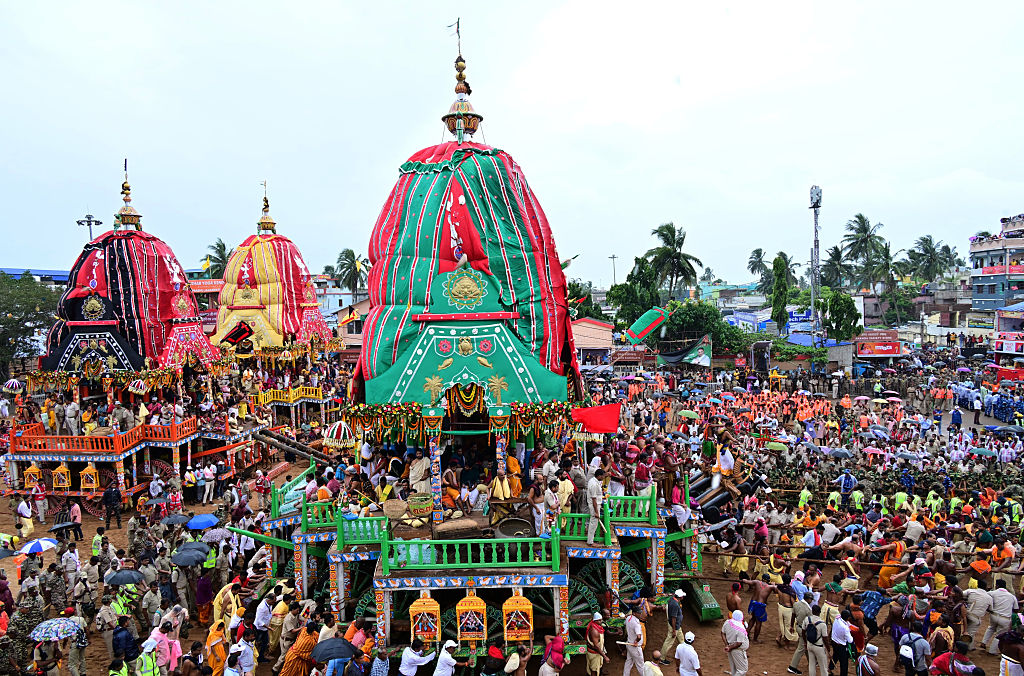
Every year, the temple town of Puri in Odisha becomes the centre of one of the world’s oldest and largest religious gatherings as millions of devotees assemble for the Jagannath Rath Yatra, or the Festival of Chariots. During this annual celebration, Lord Jagannatha, Lord Balabhadra, Goddess Subhadra and the celestial wheel Sudarshana leave the sanctum of the Jagannath Temple and travel in grand wooden chariots to the Gundicha Temple, nearly two miles away. After a seven-day stay, the deities return to the Jagannath Temple, completing a journey that has been observed for centuries.
The festival is much more than a religious procession. It combines devotion, ritual, art and community participation, bringing together tribal traditions, folk practices and classical Hindu customs into a single celebration. The grandeur of the procession, with its colourful chariots and thousands of devotees pulling them through Puri’s Grand Road, reflects the rich cultural heritage associated with Lord Jagannatha.
A festival rooted in faith
Known by several names, including Gundicha Jatra, Ghosa Jatra and Navadina Jatra, the Rath Yatra is regarded by devotees as one of the most sacred occasions in the Hindu calendar. The festival centres on the belief that Lord Jagannatha, identified with Lord Vishnu and Lord Krishna, comes out of the temple to meet devotees, allowing everyone an opportunity to seek his blessings. The journey itself holds deep spiritual significance, and many believe that even touching the chariots or the ropes used to pull them brings divine grace and the rewards of years of penance.
Legends behind the Rath Yatra
According to tradition, the Rath Yatra commemorates the annual journey of Lord Jagannath, Lord Balabhadra and Devi Subhadra to the Gundicha Temple, believed to be the home of their aunt. Another interpretation from the Gaudiya Vaishnava tradition associates the festival with Lord Krishna’s reunion with the devotees of Vrindavan, symbolising their devotion and longing to bring Him back to His childhood abode.
The making of the grand chariots
One of the defining features of the festival is the construction of three massive wooden chariots, which are built afresh every year using timber from specified trees such as phassi and dhausa. The work is carried out by hereditary teams of skilled carpenters, following traditions that have been preserved across generations. Construction begins on Akshaya Trutiya, an auspicious day that also marks the beginning of the agricultural season and the temple’s annual Chandan Jatra festival.
Each chariot has its own identity. Lord Jagannatha’s Nandighosa is the tallest, standing about 45 feet high with sixteen wheels and a canopy of red and yellow cloth. Lord Balabhadra’s Taladhwaja has fourteen wheels and is decorated with red and blue cloth, while Goddess Subhadra’s Darpadalana has twelve wheels and a red-and-black canopy. Every chariot is adorned with wooden images of deities, four horses of distinct colours and its own charioteer, reflecting centuries-old ritual traditions.
Rituals before the journey
The Rath Yatra is preceded by a series of rituals that prepare the deities for the annual procession. During Snana Jatra, the deities are ceremonially bathed with 108 pots of water drawn from the temple’s sacred well. Following this ritual bath, they are believed to fall ill and remain away from public view for about two weeks in a period known as Anasara, during which they are served special offerings of roots, leaves, fruits and berries. The rituals during this period are performed by the Daitapatis, whose role reflects the tribal roots of the Jagannatha tradition.
The period of seclusion ends with Nava Jaubana Darshana, when the deities receive a fresh coat of paint and their eyes are ceremonially painted in the Netrostava ritual. Their reappearance is celebrated as the renewal of youth, drawing thousands of devotees eager for their first glimpse after the period of convalescence.
The grand procession
On the day of the festival, the deities are carried out of the temple in the ceremonial Pahandi, a rhythmic procession accompanied by the sounds of gongs, trumpets, drums and devotional chants. As they emerge through the Lion’s Gate of the temple, devotees chant “Haribol” in celebration while traditional Odissi dancers and groups performing sankirtan add to the festive atmosphere.
Before the chariots begin their journey, the Gajapati Maharaja of Puri performs the ritual of Chhera Pahanra, sweeping the platforms of the chariots with a golden broom and sprinkling them with flowers and fragrant water. The centuries-old ritual symbolises humility and the belief that everyone, regardless of rank or status, is equal before the divine.
The final and most anticipated moment is the pulling of the chariots. Lord Balabhadra’s chariot moves first, followed by Goddess Subhadra’s and finally Lord Jagannatha’s Nandighosa. Thousands of devotees pull the massive chariots with thick ropes, considering it an act of devotion and spiritual fulfilment.
A tradition that continues to unite
Beyond its religious importance, the Jagannath Rath Yatra stands as a celebration of faith, equality and shared cultural heritage. The festival brings together people from different communities and backgrounds in a collective expression of devotion, while preserving rituals, craftsmanship and traditions that have been passed down through generations.
As the towering chariots roll through the streets of Puri each year, the Rath Yatra continues to symbolise the enduring bond between the divine and the devotees. It remains one of India’s most iconic cultural and spiritual traditions, reflecting values of humility, inclusiveness and collective participation that continue to resonate across generations.