

Why NASA Wants To Crash The International Space Station Into The Ocean?
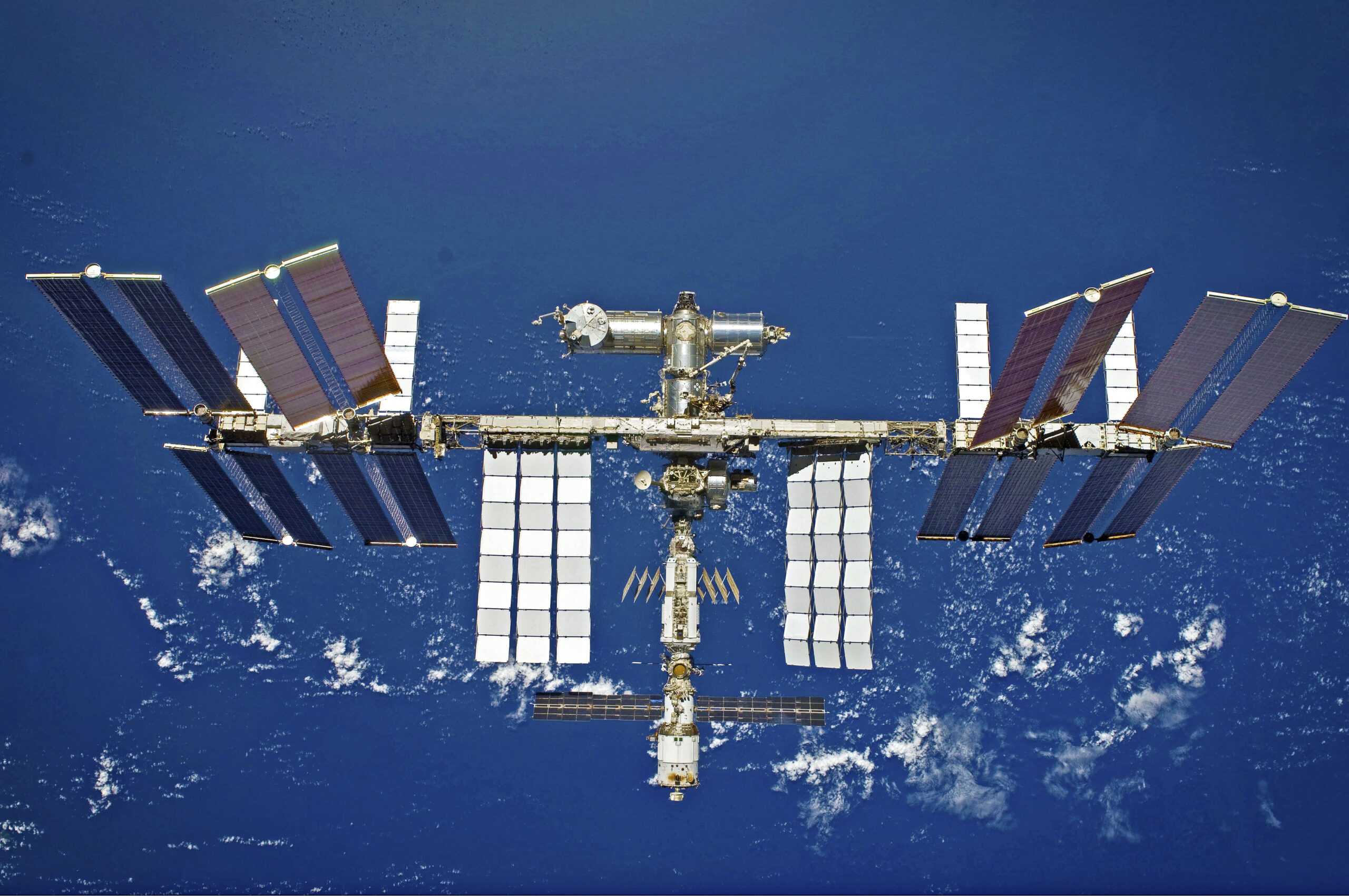
After more than two decades serving as humanity’s premier orbital laboratory, the International Space Station (ISS) is officially nearing retirement. NASA has confirmed its dramatic final chapter: a deliberate, controlled plunge out of orbit and straight into a remote expanse of the Pacific Ocean.
While NASA insists this fiery finale is the safest way to decommission the aging 420-tonne structure, the decision has ignited a fresh debate among environmental scientists regarding the long-term health of our marine ecosystems.
The Flight Path to Point Nemo
Abandoning the ISS in its current orbit or pushing it deeper into space are off the table due to the catastrophic risk of unpredictable collisions. Instead, NASA plans to execute a meticulously engineered “deorbit burn” around 2031 using a specialized deorbit vehicle.
- The Atmospheric Burn: The vast majority of the massive station is expected to disintegrate and burn up from the extreme friction of Earth’s atmosphere.
- The Target Zone: Heavy, heat-resistant components that survive re-entry will be guided toward Point Nemo in the South Pacific. Known as the world’s “spacecraft cemetery,” this oceanic desert is the most remote location on Earth, chosen specifically because it is thousands of miles away from human civilization.
“The primary objective during space station deorbit operations is the responsible re-entry of the space station’s structure into an unpopulated area in the ocean.”
— NASA, ISS Transition Plan
Environmentalists Raise Red Flags
While Point Nemo protects human populations, marine scientists are questioning the hidden cost to the deep sea. With the global space industry expanding rapidly, experts warn that we are blind to the cumulative environmental toll of dropping massive, metallic space structures into the water.
The primary concerns voiced by researchers include:
- Toxic Residues: A lack of definitive research on how scorched spacecraft debris and exotic metallic alloys react when submerged for centuries.
- Ecosystem Disruption: The potential long-term chemical disruption to fragile, deep-sea ecosystems that remain largely unexplored.
Despite these growing ecological concerns, NASA maintains that a controlled ocean crash is the most responsible option available, ensuring that the legendary space station’s final descent poses zero threat to human life on land.