

Why did Keir Starmer resign after just two years?
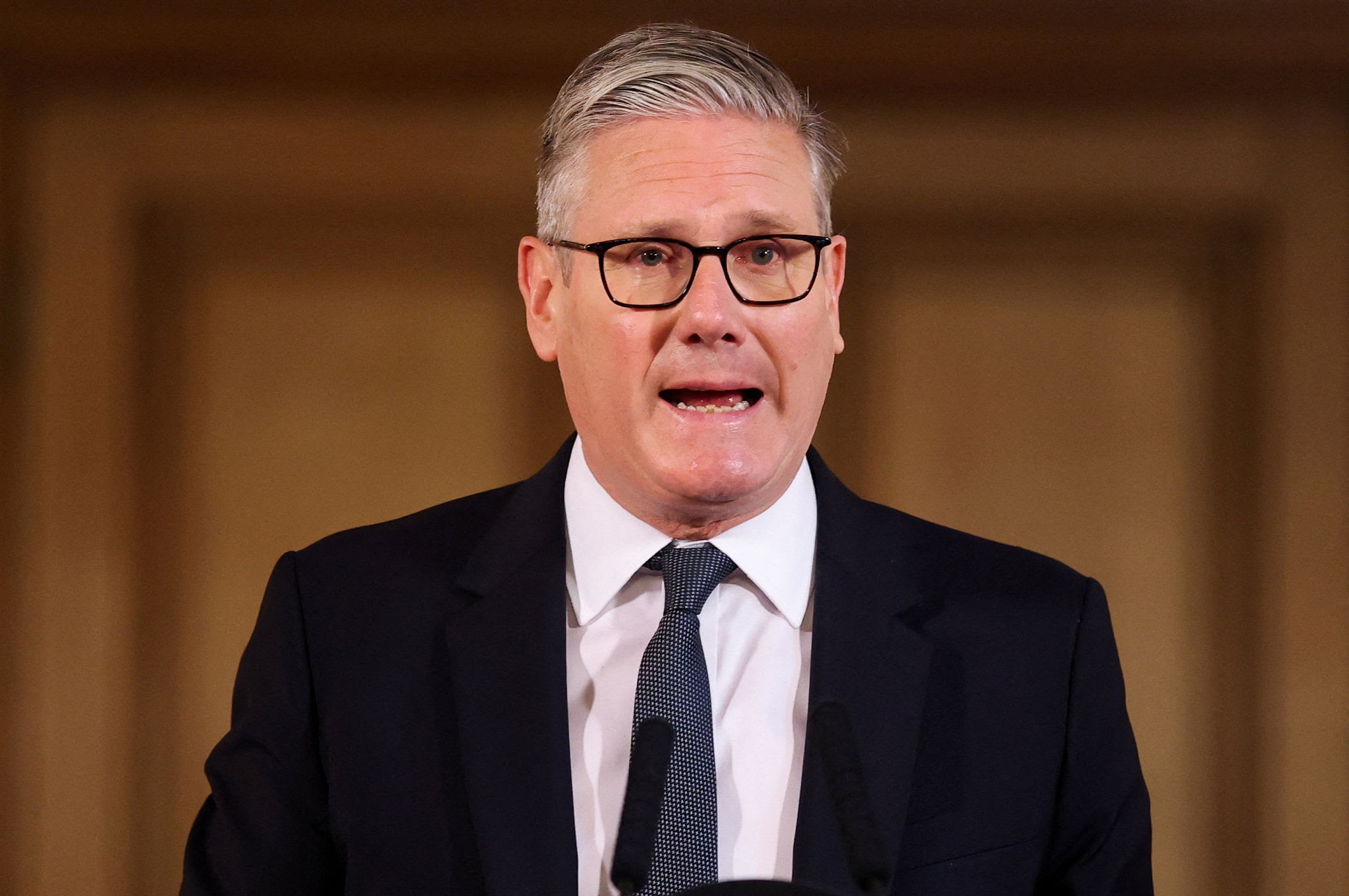
Less than two years after delivering a historic landslide victory for the Labour Party, Prime Minister Keir Starmer has announced his resignation. The decision follows months of mounting internal rebellion, plummeting approval ratings, and sharp political fallout.
Standing outside 10 Downing Street, Starmer acknowledged that he had lost the confidence of his own parliamentary party. His departure marks another turbulent chapter in modern British politics, setting the stage for the UK to welcome its seventh prime minister in just ten years.
Inside the Collapse: Why Did Starmer Step Down?
While Starmer entered office with a commanding majority in 2024, his grip on power eroded rapidly due to several compounding crises:
- Loss of Party Confidence: A coordinated wave of discontent from Labour MPs, aides, and cabinet ministers ultimately forced Starmer’s hand. In his resignation address, he stated: “The question my party is asking now is whether I am best placed to lead us into the next general election. I have heard the answer of my parliamentary party to that question, and I accept that answer with good grace.”
- Local Election Defeat: The final blow to his authority came after a disastrous performance in the 2026 local elections, where Labour suffered heavy losses, ceding control of critical councils and prompting immediate calls for a leadership reboot.
- The Mandelson Scandal: The most severe blow to the administration’s credibility was the controversial appointment of Labour grandee Peter Mandelson as the UK’s Ambassador to the United States, despite Mandelson’s scrutinized historic links to Jeffrey Epstein. The move sparked fierce public backlash and drew accusations of poor judgment.
- Policy Shifts and Surging Rivals: Frequent policy reversals left the public and party members feeling that the government lacked a cohesive vision. At the same time, the rapid rise of insurgent parties like Reform UK fueled intense panic among Labour lawmakers that they would lose their grip on power in the next general election.
What Happens Now?
With Starmer stepping aside, the machinery of government is shifting into transition mode:
The Caretaker Role: To maintain governmental stability, Starmer will remain in office as a caretaker prime minister over the summer while the Labour Party organizes a leadership contest.
- The Race for No. 10: The Labour Party will immediately launch a leadership election. Because Labour still holds a substantial majority in the House of Commons, the winner of this internal party contest will automatically become the next Prime Minister without the need for a flash general election.
- The Frontrunner: Andy Burnham has already emerged as the early favorite to take the reins, with a wave of momentum positioning him as the likely candidate to lead the party’s reset.