

Meet PM Narendra Modi’s Right-Hand Man; Who Decides How India Is Governed
Cabinet Secretary: The Apex of India’s Administrative System
In India’s administrative framework, the office of the Cabinet Secretary occupies a position of exceptional authority and responsibility. As the senior-most civil servant in the country, the Cabinet Secretary is entrusted with coordinating the entire machinery of government. The office-holder serves as the principal administrative adviser to the Prime Minister, ensures seamless functioning across ministries, and plays a decisive role in shaping and implementing policy.
The Cabinet Secretariat is headquartered in South Block, New Delhi, in close proximity to the Prime Minister’s Office. Though modest in name, the institution commands immense influence due to the breadth of its mandate and the centrality of its role in governance.
The Secretariat functions through three main wings—civil, military and intelligence. Among these, the civil wing holds primary importance as it supports the Union Cabinet, provides policy advice, and ensures coordination among various ministries and departments.
During national emergencies or major crises, the Cabinet Secretary assumes the role of chief coordinator among ministries and agencies, ensuring a unified administrative response. The Secretariat also prepares and submits consolidated monthly reports to the President, Vice-President and Union ministers, outlining the activities and performance of different departments.
Historically, the Cabinet Secretariat has been at the centre of several landmark decisions. During the revocation of Article 370 and the reorganisation of Jammu and Kashmir into two Union Territories, the Secretariat worked closely with intelligence agencies and multiple ministries to manage the complex administrative transition. This episode underscored both its operational importance and its strategic role in major policy initiatives.
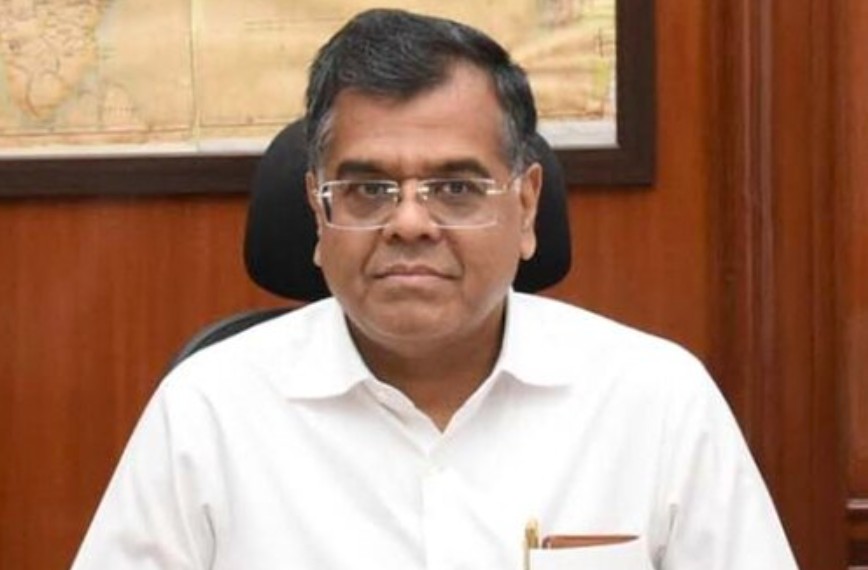
The Incumbent: T. V. Somanathan
Dr T. V. Somanathan, a 1987-batch Indian Administrative Service officer, assumed office as India’s Cabinet Secretary on August 30, 2024, following approval by the Appointments Committee of the Cabinet. He has been appointed for a two-year term.
Prior to this, he served as Finance Secretary and Secretary in the Department of Expenditure. His career includes key assignments such as Joint Secretary and Additional Secretary in the Prime Minister’s Office, Joint Secretary in the Ministry of Corporate Affairs, and Director of Corporate Affairs at the World Bank in Washington, D.C.
In his home cadre of Tamil Nadu, he has held several senior positions, including Managing Director of the Chennai Metro Rail Corporation, Commissioner of Commercial Taxes during the rollout of the Goods and Services Tax, and Secretary to the Chief Minister.
Academically, Dr Somanathan holds a PhD in Economics from the University of Calcutta and is also a Chartered Accountant and Company Secretary, making him one of the most professionally qualified officers to occupy the country’s highest bureaucratic post.
Role and Responsibilities
The Cabinet Secretary serves as the chief coordinator of the central administration. He or she chairs the Civil Services Board, oversees senior-level appointments, and heads the Committee of Secretaries on Administration, which resolves inter-ministerial disputes and builds consensus on key policy matters.
The office is also responsible for preparing the Cabinet agenda, ensuring the implementation of Cabinet decisions, managing administrative continuity during political transitions, and coordinating responses during emergencies. Regular briefings are provided to the President, Vice-President and Union ministers on the functioning of the government.
In essence, the Cabinet Secretary acts as the institutional anchor of governance, ensuring that policy decisions are translated into effective administrative action.
The Backbone of Governance
In a system as vast and complex as India’s, the strength of the Cabinet Secretary’s office lies in its institutional character rather than in any single individual. By linking ministries, advising the Prime Minister, managing crises, and guiding senior appointments, the office ensures stability and coherence in governance.
The appointment of Dr Somanathan is widely seen in New Delhi as a consolidation of experience and administrative expertise. His background in finance, corporate affairs, state administration and international institutions gives him both depth and range.
As long as the Cabinet Secretariat remains central to governance, the Cabinet Secretary will continue to be the most powerful executive authority outside the political leadership—often described as the Prime Minister’s right hand—bridging politics and administration and ensuring that public policy is effectively implemented.