

ECI Cracks Down on Unlawful Social Media Content During 2026 Elections
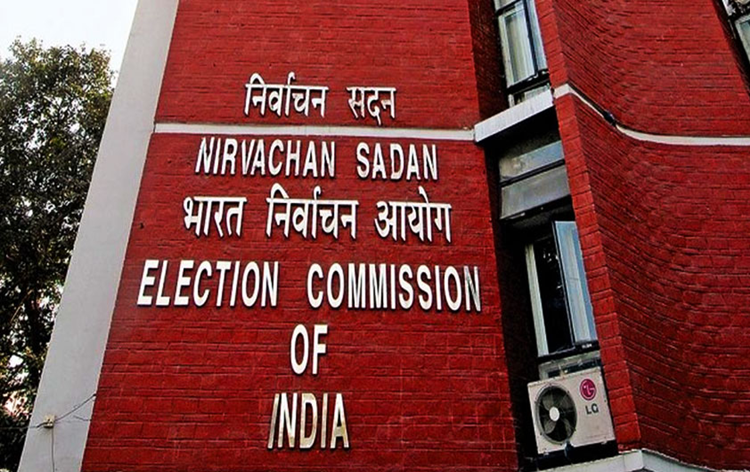
Over 11,000 Online Posts Removed as ECI Tightens Digital Election Monitoring
AI-Generated Political Content Must Be Labelled, Warns Election Commission
96% of C-Vigil Complaints Resolved Within 100 Minutes, Says ECI
The Election Commission of India (ECI) has intensified its monitoring of social media platforms during the ongoing General Elections and bye-elections 2026, reiterating strict action against misleading, unlawful, and AI-generated political content.
In a press note issued on April 19, 2026, the Commission emphasized the need for responsible and ethical use of social media and digital platforms by all stakeholders, including political parties, candidates, media organizations, and the public. The ECI stated that all digital activities related to elections must strictly comply with the provisions of the Information Technology Act, 2000, the Information Technology Rules, 2021, and the Model Code of Conduct.
Action Against AI-Generated and Misleading Content
One of the key directives issued by the Commission relates to the increasing use of artificial intelligence in political campaigning. The ECI has directed that any misleading or unlawful AI-generated or manipulated content must be acted upon within three hours of being reported to social media platforms.
Political parties and campaign teams have been instructed to clearly label any synthetically generated or AI-altered content used for election campaigning. Such content must carry clear tags such as “AI-Generated,” “Digitally Enhanced,” or “Synthetic Content,” along with disclosure of the originating entity. According to the Commission, these measures are essential to maintain transparency and voter trust in the electoral process.
Strict Monitoring in Key Poll-Bound States
The Commission confirmed that strict monitoring is underway in states currently undergoing assembly elections, including Assam, Kerala, Tamil Nadu, Puducherry, and West Bengal.
Authorities are closely watching social media posts that violate election rules, spread false narratives about the polling process, or have the potential to disrupt law and order. Such posts are being identified and acted upon by designated State IT Nodal Officers under the IT framework.
Since the announcement of elections on March 15, 2026, the ECI has identified more than 11,000 social media posts and URLs that violated election norms. Actions taken include removal of content, filing of FIRs, issuing clarifications, and publishing rebuttals to counter misinformation.
Silence Period Rules Reiterated
The Commission also reminded media houses and digital platforms about the provisions of Section 126 of the Representation of the People Act, 1951. This law prohibits the display of any election-related content in polling areas during the 48-hour silence period before the conclusion of polling.
All media platforms—including television, radio, print, and social media—have been directed to strictly adhere to these provisions to ensure a fair and unbiased polling environment.
C-Vigil App Sees Massive Public Participation
Highlighting public involvement in monitoring election violations, the Commission reported that citizens, political parties, and candidates are actively using the C-Vigil complaint system to report violations of the Model Code of Conduct.
Between March 15 and April 19, 2026, a total of 3,23,099 complaints were lodged through the C-Vigil platform. Of these, 3,10,393 complaints—approximately 96.01 percent—were resolved within the stipulated time frame of 100 minutes, demonstrating swift response mechanisms by election authorities.
Strengthening Digital Transparency
The ECI’s latest directives underline the growing role of digital platforms in elections and the challenges posed by misinformation and AI-driven content. By enforcing strict compliance measures and rapid response protocols, the Commission aims to safeguard electoral integrity and maintain public trust in the democratic process.
Officials reiterated that all stakeholders must remain vigilant and responsible while sharing election-related content online, emphasizing that violations will continue to invite strict legal action throughout the election period.