

Caller Name Display to Become Mandatory from November 1: What Phone Users Need to Know
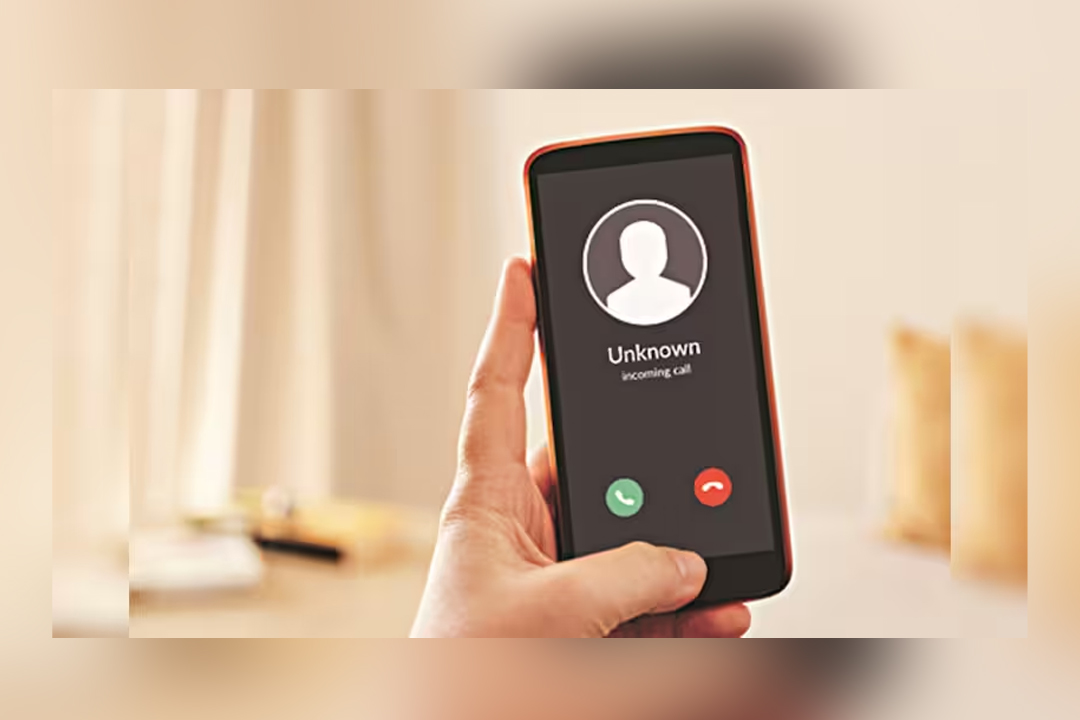
The government has directed telecom service providers to introduce Calling Name Presentation (CNAP) across their service areas from November 1, 2026. Under the new system, a caller’s name will appear alongside their phone number on the recipient’s screen, making it easier to identify incoming calls, including those from numbers not saved in the contact list.
According to a circular dated October 13, telecom service providers have conducted trials to introduce CNAP on wireless terrestrial networks using 4G and higher-generation technologies. Users will not need to submit a separate request to activate the service.
However, the introduction of CNAP on 2G and 3G networks, as well as public switched telephone networks (PSTN), will be considered separately after further examination.
The CNAP service will display the caller’s name during an incoming call. The name will be obtained from the subscriber records maintained by the originating telecom service provider (TSP).
Under the new guidelines, the calling line identification (CLI) displayed on the recipient’s phone will contain two fields: the caller’s telephone number or identifier, followed by the caller’s name.
- Saved numbers: If the caller’s number is already saved in the recipient’s contacts, the saved contact name will appear on the screen.
- Unsaved domestic numbers: The name recorded in the originating telecom operator’s subscriber database will be displayed.
- International calls: Incoming calls from abroad will be labelled “International Call”.
The service is expected to help users identify callers more easily without having to save every number in their contact list.
The guidelines refer to Rule 48(1) of the Telecommunications (Authorisation for Provision of Principal Telecommunication Services) Rules, 2026. The rule requires authorised telecom service providers to ensure that caller identification is displayed securely and cannot be tampered with.
The government has also prescribed safeguards to protect users’ information.
- Privacy protection: Telecom operators must follow a security-by-design approach and ensure that the caller’s name identity is not retained by the query-response mechanism after the incoming call ends.
- Network readiness: Operators must maintain adequate databases, network infrastructure and connectivity to process caller-name queries efficiently.
- Service quality: Telecom providers must comply with applicable laws and ensure that caller information is retrieved and displayed promptly.
The guidelines allow users with business or bulk connections to request the display of a preferred business name instead of the name recorded in the telecom operator’s subscriber database.
However, the preferred name must meet specific verification requirements. It must be either:
- A trademark registered in the user’s name with the Trade Marks Registry; or
- A trade name registered on the Goods and Services Tax (GST) portal.
The telecom operator must verify the name before allowing it to appear on incoming calls.
For new connections, the approved name must be recorded in both the customer application form and the subscriber database. Existing business users must be given a mechanism to apply for an update. The operator can update the records only after examining and verifying the application.
Telecom service providers must establish appropriate technical and organisational mechanisms to receive, record and maintain complaints related to the CNAP service.
Complaints must be addressed through the operator’s grievance redressal system within a specified timeframe.
The guidelines also provide an exception for users who have activated the Calling Line Identification Restriction (CLIR) facility in accordance with existing rules. The names of such callers must not be displayed to recipients.
The new system could make it easier to identify unknown callers without relying solely on third-party caller identification applications. However, CNAP and apps such as Truecaller are different services.
CNAP will use the caller’s name recorded in the originating telecom operator’s subscriber records, while third-party applications may rely on other sources of identification data.
The new system is expected to improve caller identification and transparency, although the displayed name should not be treated as an absolute guarantee against fraud or impersonation.