

Assam Don Bosco University (ADBU) is set to launch LACHIT-1
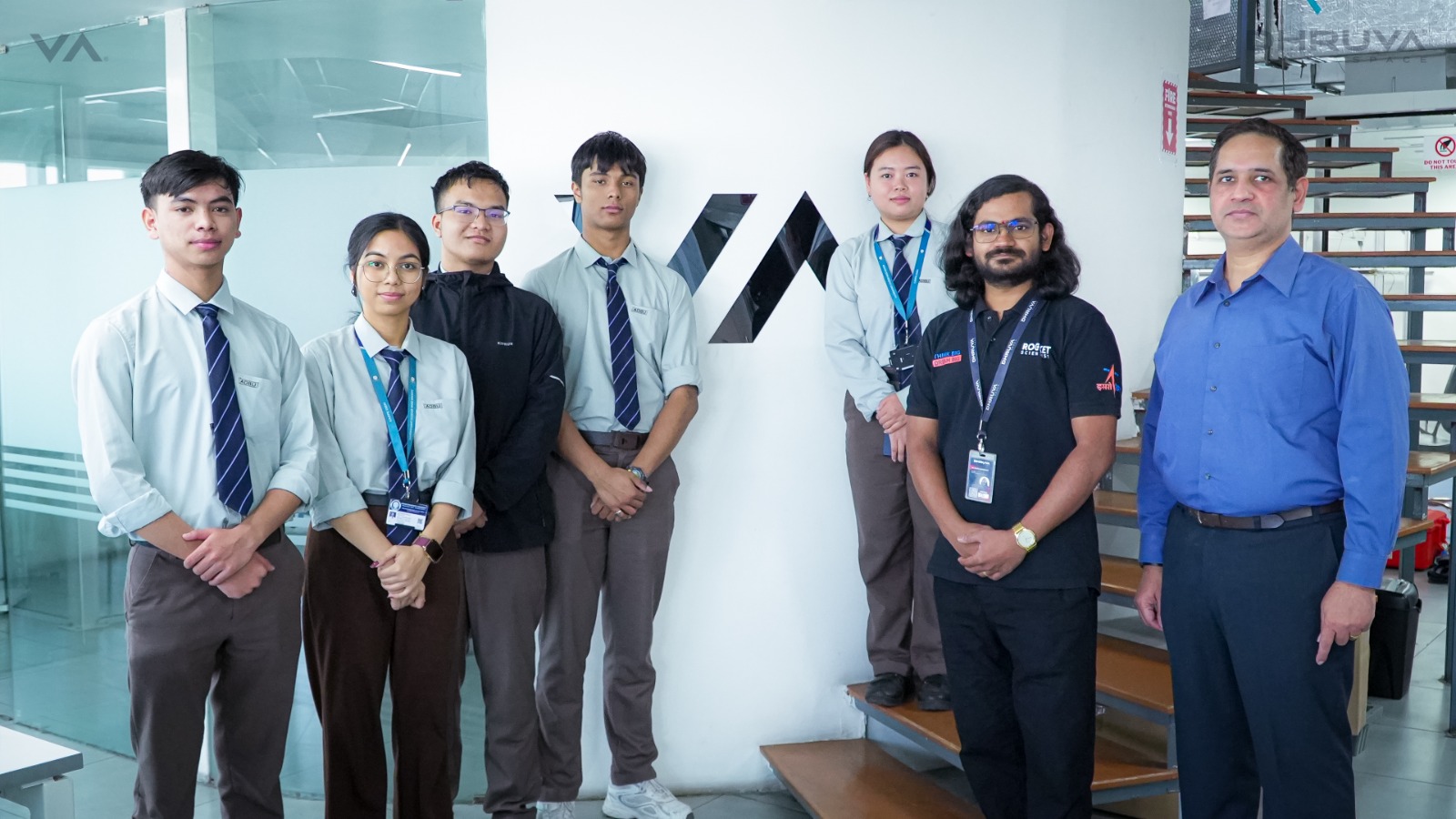
Assam Don Bosco University (ADBU) is set to launch LACHIT-1, the State’s and the Northeast regions’ first satellite, aboard ISRO’s PSLV-C62 on January 12, 2026. As part of Hyderabad-based full-stack Space Engineering company Dhruva Space’s Polar Access-1 or PA-1 programme, this mission is a pivotal moment for Space technology in the Northeast region of India.
The LACHIT-1 mission team brings together more than 50 students and faculty members from across the Northeast, including Assam, Meghalaya, Nagaland, Arunachal Pradesh, and Manipur. Named after Lachit Borphukan, the Ahom military leader revered for defending the region, the satellite draws its identity from a figure deeply rooted in history.
The satellite has been developed through Dhruva Space’s ASTRA (Accelerated Space Technology Readiness & Access) for Academia programme using the company’s flight-qualified P-DoT satellite platform. ADBU’s student–faculty team worked through the full preparation cycle with Dhruva Space’s support, including integration workflows, functional testing, interface checks, and launch readiness reviews. LACHIT-1 will be deployed in orbit using Dhruva Space’s DSOD-1U separation system.
ADBU will operate the mission using a VHF/UHF ground station and the proprietary mission-operations software Integrated Space Operations Command Suite (ISOCS) designed and developed by Dhruva Space. Over the past months, students and faculty have conducted subsystem checks, rehearsed communication procedures, prepared scripts for uplink and downlink, and established a mission-control workflow that will support operations once the satellite is active.
For the students and faculty involved, this is their first exposure to hands-on Space systems engineering, working directly on a satellite mission that will operate in orbit. The effort underscores ADBU’s focus on building advanced technical capability within the Northeast, enabling local talent to participate meaningfully in India’s growing Space ecosystem.
LACHIT-1 is designed to demonstrate a store-and-forward communication system using amateur radio frequencies i.e. the satellite acts as a messenger in Space. Short messages sent from the ground are stored onboard the satellite and transmitted back to Earth when it passes over a receiving station. With mentorship from Dhruva Space, ADBU students will uplink short messages to the satellite and receive them back on subsequent passes using their campus ground infrastructure. This hands-on experience will allow the university to manage an orbital communication system, from planning passes to monitoring telemetry and message flow.
LACHIT-1’s capabilities have practical relevance for the region. In areas where connectivity becomes inconsistent, in scenarios such as floods, landslides, or network outages, the ability to move short messages across delayed satellite passes becomes a useful potential fallback channel for essential updates.
While reflecting on the initiative, Vice Chancellor, Assam Don Bosco University, Fr.(Dr) Jose Palely said that, “LACHIT-1 is more than a satellite launch, it is a statement of intent from the Northeast. At ADBU we believe that world-class innovation must emerge from every region of India. This student-led mission demonstrates how academic institutions can become active contributors to the nation’s Space ecosystem by combining rigorous learning with real-world application. By empowering our students to design, build, and operate a satellite in orbit, we are nurturing future-ready scientists, engineers, and leaders who will shape India’s technological self-reliance and regional resilience.”
Avinash Maramraju, Director – Sales & Business Development, Dhruva Space, comments, “The journey of LACHIT-1 will demonstrate that advanced Space capability is no longer geographically concentrated — it is emerging wherever institutions are prepared to build and operate real systems. Through Dhruva Space’s Polar Access-1 and ASTRA for Academia programmes, Dhruva Space has delivered the mission-grade infrastructure required for Assam Don Bosco University to take a satellite from campus to orbit. The Northeast brings deep technical talent and strategic relevance, and missions like LACHIT-1 integrate that capability directly into India’s national Space ecosystem.”
Post-launch and once LACHIT-1 is active, the satellite will be accessible to the global amateur radio community, enabling licensed operators worldwide to engage in satellite communications and experimentation. In collaboration with the National Institute of Amateur Radio and Assam Don Bosco University, Dhruva Space will conduct structured workshops and training programmes on using amateur satellites for disaster communication and emergency-response scenarios.
The mission builds on sustained engagement with ADBU’s emerging amateur radio and Space clubs, where students and faculty have gained hands-on experience in satellite engineering, mission operations, and ground-station management using campus-based infrastructure established by Dhruva Space.