

Why Indian Wear Continues to Dominate in the Age of Western Fashion
By Priyanka Paul Banerjee, Founder, Urban Maharani
As India steps into another vibrant festive season, fashion is witnessing an interesting transformation. While Western fashion continues to influence global wardrobes, Indian wear is far from losing its place. In fact, it is evolving, reinventing itself and emerging stronger than ever.
The idea that Western wear has overtaken traditional Indian clothing does not quite hold true in 2026, particularly in markets such as Guwahati and Northeast India. If anything, Indian wear has strengthened its position by embracing contemporary silhouettes while retaining its cultural identity.
This festive season, demand for Indian wear is reportedly 40–45% higher than for Western occasion wear. The shift reflects a larger change in consumer preferences: people are no longer choosing between tradition and modernity. They want both.
Indian Wear Is No Longer Just About Sarees
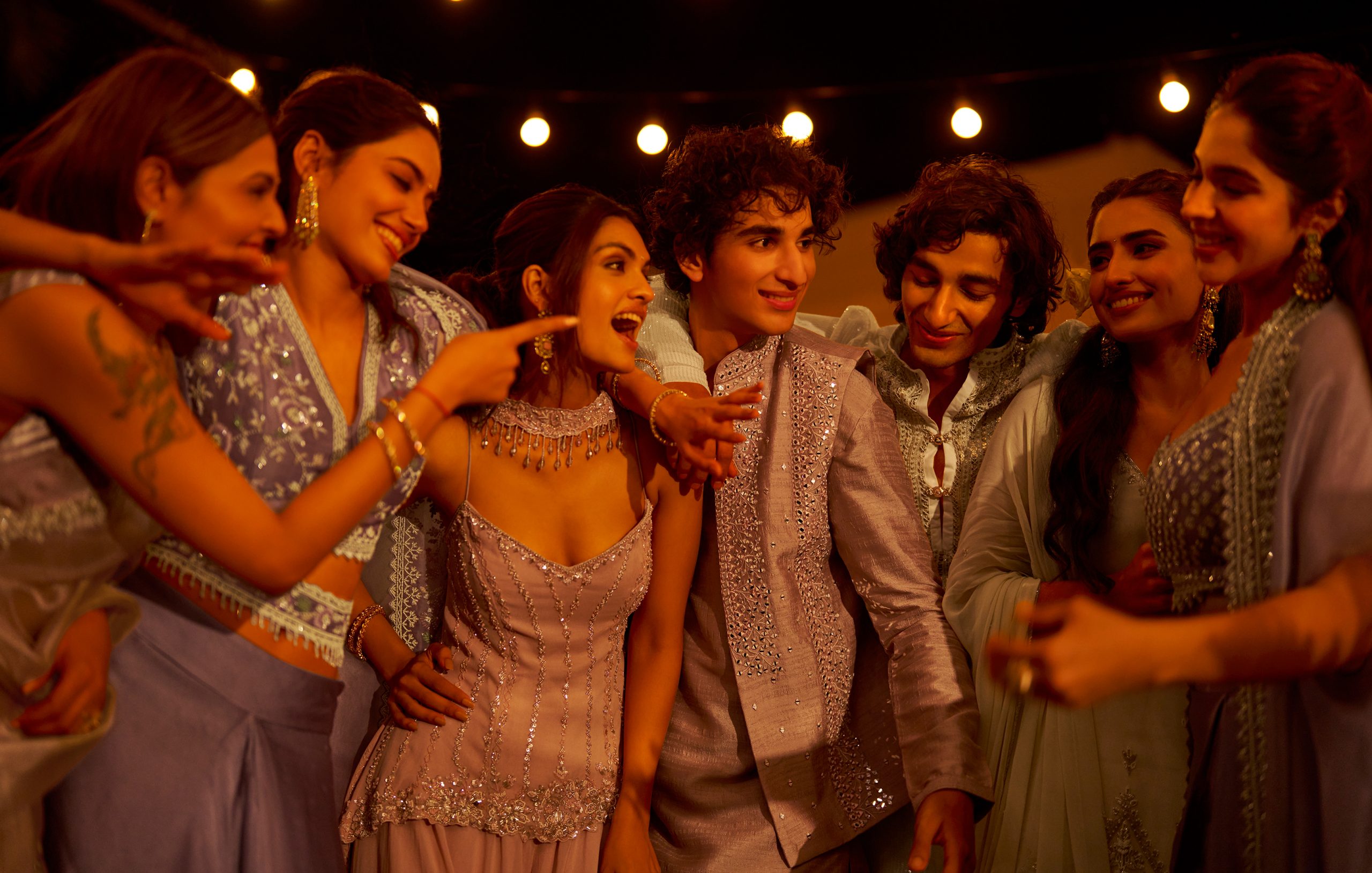
The definition of Indian fashion has expanded considerably. Beyond sarees and traditional suits, today’s festive wardrobe includes kurta-palazzo sets, shararas, Anarkalis, dhoti-pant ensembles, jacket lehengas and co-ord kurta sets.
The modern Indian consumer is looking for versatility, comfort and individuality. Four major trends are shaping the Indian wear landscape in 2026.
1. Contemporary Silhouettes, Indian Craftsmanship
Indian fashion is increasingly embracing Western-inspired cuts without compromising on traditional craftsmanship. Crop tops, peplum designs, blazer-style cuts and dhoti pants are finding their place alongside indigenous textiles and embroidery.
Chikankari, gota patti, mirror work, mulmul block prints, Chanderi and Kota Doria are among the craft traditions adding character to contemporary designs.
The appeal lies in a simple combination: the comfort of modern silhouettes with the authenticity of Indian craftsmanship.
2. The Rise of the Statement Top
In 2026, the kurta and blouse are emerging as the centrepieces of festive styling. Corset tops, koti jackets, puff-sleeved designs and reversible blouses are becoming increasingly popular.
Consumers are experimenting with different combinations, pairing a single sharara or palazzo with multiple tops. This approach makes Indian wear more versatile, practical and suitable for repeated styling.
3. Comfort Takes Centre Stage
The days when festive fashion was synonymous with heavy embroidery and elaborate embellishments are gradually giving way to lighter, more breathable choices.
Cotton, mulmul, linen, khadi georgette, organza, Chanderi and linen silk are gaining popularity. Instead of relying entirely on heavy zardozi and stonework, contemporary festive styling is embracing layering, elegant dupattas and subtle detailing.
Organza and tissue dupattas, in particular, are becoming statement accessories that can transform even a relatively simple outfit.
4. A Colourful New Fashion Language
Traditional shades of red, maroon and ivory continue to hold their festive significance. However, the 2026 palette is becoming far more adventurous.
Mustard, hot pink, purple and emerald green are sharing the spotlight with softer shades such as blush pink, sage green, powder blue and lilac.
Print-on-print styling, once considered unconventional, has also become a mainstream fashion statement. The result is a festive wardrobe that celebrates individuality, colour and confidence.
When East Meets West, Fashion Finds a New Identity
Perhaps the biggest change in Indian fashion is the growing popularity of fusion styling.
Consumers are no longer interested in choosing between Eastern tradition and Western comfort. Instead, they are bringing the two together.
A traditional dupatta can now be styled like a contemporary scarf. A saree blouse can take inspiration from a corset, while Western-inspired cuts are being reimagined through Indian textiles and prints.
This evolution has given Indian wear a new global appeal. Traditional Indian art and textile-inspired designs are finding their way into contemporary silhouettes, not merely as ethnic costumes but as expressions of culture and craftsmanship.
Colour, too, is making a strong comeback. After years of minimalist black-and-white fashion dominating wardrobes, 2026 is embracing softer pastels, floral prints, bold botanicals and expressive patterns.
Powder blue, blush pink, sage green and buttery yellow are emerging as favourites, creating a refreshing balance between understated elegance and festive vibrancy.
Fabric choices are also becoming more experiential. Duchesse satin, Chantilly lace, bridal satin and fluid, luxurious textiles are bringing a sense of elegance and nostalgia to contemporary fashion.
Ultimately, Indian wear is no longer simply about what one wears to a festival. It is about how one expresses identity, comfort and personal style.
Guwahati and Northeast India: A Market Setting Its Own Trends
One of the most exciting developments is the growing influence of Guwahati and the wider Northeast Indian fashion market.
The region is no longer merely following trends emerging from Kolkata, Delhi or Mumbai. It is increasingly developing its own fashion preferences and consumer identity.
For Durga Puja 2026, three distinct preferences are becoming visible in Guwahati.
Daywear: Cotton Anarkali suits and block-printed kurta-palazzo sets are popular choices for pandal hopping, where comfort and ease of movement matter as much as appearance.
Ashtami and Navami: Sharara sets in red, off-white and mustard, featuring gota patti and chikankari work, are attracting younger consumers. They offer the festive appeal of traditional red-and-white sarees with greater comfort and styling flexibility.
Evening Wear: Lehengas and long shrug sets are gaining traction, particularly among shoppers along GS Road and in Fancy Bazar.
Diwali fashion, meanwhile, is taking a more understated and elegant direction. Pastel sharara sets in ivory, blush and mint, kaftan kurta ensembles for evening gatherings, and dhoti-pant sets for festive get-togethers are becoming appealing choices.
These preferences reflect a broader shift towards clothing that is festive without being excessively elaborate.
Two Decades of Transformation: From Heavy Embroidery to Comfort Luxury
The Indian fashion industry has undergone a remarkable transformation over the last twenty years.
2006–2012: The Bridal-Heavy Era
Indian wear was largely associated with elaborate embroidery, heavy fabrics and occasion-specific outfits. Fashion trends were primarily dictated by fashion weeks and magazines, while access to designer collections remained limited in smaller markets.
2012–2018: The Social Media Revolution
The rise of social media and fashion-show culture, particularly in Guwahati around 2014, changed the way consumers discovered fashion. Facebook boutiques opened new opportunities, connecting shoppers directly with designers and sellers from Lucknow, Jaipur, Kolkata and beyond.
2018–2022: The Ready-to-Wear and Influencer Era
Instagram transformed the fashion landscape. Brands such as Biba, Global Desi and W became familiar names in everyday Indian wardrobes. Fashion became more accessible, versatile and closely connected to individual styling.
2022–2026: The Comfort-Luxury and Slow Fashion Movement
The current phase is defined by sustainability, premium fabrics, comfort and re-wearability. Consumers are increasingly moving away from expensive outfits intended for a single occasion.
Instead, they are investing in clothing that can be styled differently, worn repeatedly and remain relevant beyond one festive season.
This is where Indian wear has a distinct advantage over disposable fast-fashion trends.
This Festive Season, Tradition Is the Ultimate Fashion Statement
The changing fashion landscape tells us something important: Indian wear is not surviving despite Western influence; it is thriving by adapting to it.
Western fashion may offer constantly changing trends, but Indian wear brings something deeper to the wardrobe — cultural identity, adaptability, inclusivity across body types, versatility and emotional connection.
Festivals are not merely occasions to dress up. They are celebrations of memories, family, heritage and belonging. And clothing becomes an integral part of those experiences.
Whether it is a saree worn during Durga Puja, a pastel sharara for Diwali, or a contemporary kurta set for a family gathering, Indian wear continues to connect fashion with emotion.
Back in 2006, Western wear represented aspiration for many consumers. In 2026, Indian wear has become equally aspirational, if not more.
The future of Indian fashion is not about rejecting Western influences. It is about embracing modern comfort while preserving the soul of Indian craftsmanship.
Because trends may change with every season, but tradition, when reinvented with creativity, never goes out of fashion.