

What are the new UGC regulations that triggered protests?
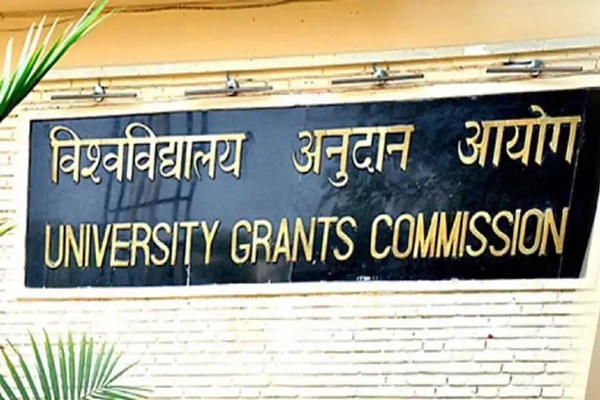
In January 2026, the University Grants Commission (UGC) notified a new set of rules called the Promotion of Equity in Higher Education Institutions Regulations, 2026. These replaced older anti-discrimination guidelines from 2012 and made many provisions mandatory for all universities and colleges.
Key Provisions include:
• Equity Committees: Every higher education institution must set up formal campus-level committees to address discrimination complaints.
• Equal Opportunity Centres (EOC): Centres to support students facing discrimination.
• 24×7 Helplines and Monitoring Teams: To receive complaints and track incidents of discrimination.
• Focus on Caste and Other Identities: Rules require attention to discrimination based on caste, religion, gender, disability, place of birth, race, etc., with emphasis on aiding students from Scheduled Castes (SC), Scheduled Tribes (ST) and Other Backward Classes (OBCs).
• Reporting and Enforcement: Institutions must document actions taken and report to UGC. Non-compliance can lead to sanctions.
Why These Rules Triggered Protests
While the aim was to strengthen protections against discrimination, the implementation details sparked significant backlash, particularly among some student groups and political activists. The main points of contention:
1. Perception of Bias Against General Category Students
Critics — especially students from the general/unreserved category — argue the rules do not clearly provide equivalent complaint mechanisms or safeguards for them. They fear that the focus on protecting reserved category students could lead to reverse discrimination.
2. Vague Definitions and Fear of Misuse
Many protesters say the definitions of “discrimination” are broad or vague, which they believe could be misused for false complaints or harassment, without adequate safeguards or penalties for false claims.
3. Shift in Burden and Campus Dynamics
Opponents claim the regulations could shift the burden of proof to the accused, create a sense of surveillance via committees and squads, and disrupt campus life.
4. Immediate & Mandatory Nature
Unlike the older 2012 guidelines, which were largely advisory, the new regulations are binding — meaning institutions must comply right away. Some say there was insufficient consultation before enforcement.
5. Political and Ideological Pushback
Groups such as the “Savarna Sena” and other protest organisations have mobilised students, saying the rules could unfairly disadvantage upper-caste students; political leaders and cadres have resigned or publicly criticised the regulations in some states.
Supreme Court Stay
Amid nationwide protests and legal challenges, the Supreme Court of India stayed the implementation of the 2026 Equity Regulations, saying parts of them appear vague and potentially open to misuse. The court has asked for expert review and paused enforcement until further notice.
Summary
What they are:
- Mandatory anti-discrimination framework for all higher education institutions.
- Focus on setting up equity-focused bodies, helplines, and complaint mechanisms.
Why protests erupted:
- Belief that the rules unfairly favour certain groups.
- Vague wording raising fears of misuse and reverse discrimination.
- Lack of clear protections/safeguards for the general category.
- Rapid implementation without broad consultation.