

E85 fuel: Why is it Rs 20 cheaper than normal fuel, and can your car use it? Find out here
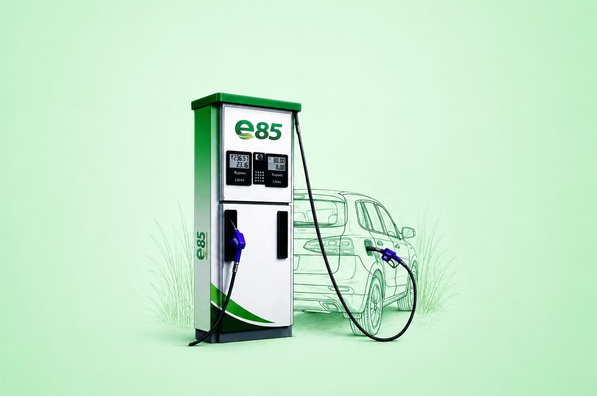
Amid rising fuel prices in India due to tensions in the Middle East, the government is leaving no stone unturned to reduce dependence on crude oil, most of which is imported. At a time when crude oil prices remained higher, Union Petroleum and Natural Gas Minister Hardeep Singh Puri has launched E85 fuel in Delhi. While the price of normal petrol in the country is above Rs 100 per litre (Rs 102/litre in Delhi), this new E85 fuel has been launched at just Rs 82.12 per litre, which is about Rs 20 per litre cheaper than normal petrol. But can this fuel be used in every car or bike? Let us find out.
What is E85 fuel?
E85 is a high-ethanol blended fuel containing 80 to 85 per cent ethanol and 14 to 19 per cent gasoline. It is specifically designed for flex-fuel vehicles. Such vehicles can easily run on ethanol blends ranging from E20 to E100.
Why is this new fuel special?
According to the government, E85 fuel will help strengthen India’s energy security. Because ethanol is produced domestically, it could reduce dependence on crude oil imports. The biggest advantage is its price. E85 is priced approximately 20 rupees per litre lower than regular petrol, which could reduce motorists’ expenses.
According to Puri, India has increased ethanol blending in petrol from 1.53 per cent in 2014 to 20 per cent currently, achieving its target five years ahead of schedule.
Can you put E85 in your car?
E85 fuel is designed only for flex-fuel vehicles. If your car or bike has a regular petrol engine, E85 cannot be used. Flex-fuel engines are designed with specialised technology to safely burn high-ethanol blends. Filling the wrong vehicle with E85 can damage the engine.
Environmental impact
A major benefit of E85 fuel is its environmental impact. According to government data, flex-fuel vehicles running on E85 can produce approximately 61 per cent fewer greenhouse gas emissions than conventional gasoline vehicles. This will reduce pollution and promote clean energy.
Better engine performance
Ethanol has a research octane number (RON) of approximately 108, which is higher than that of regular gasoline. This allows the engine to operate with better knock resistance and can also improve performance.