

Gadi Eisenkot Gets First Opportunity to Form Israel’s Next Government as Netanyahu Faces Political Uncertainty
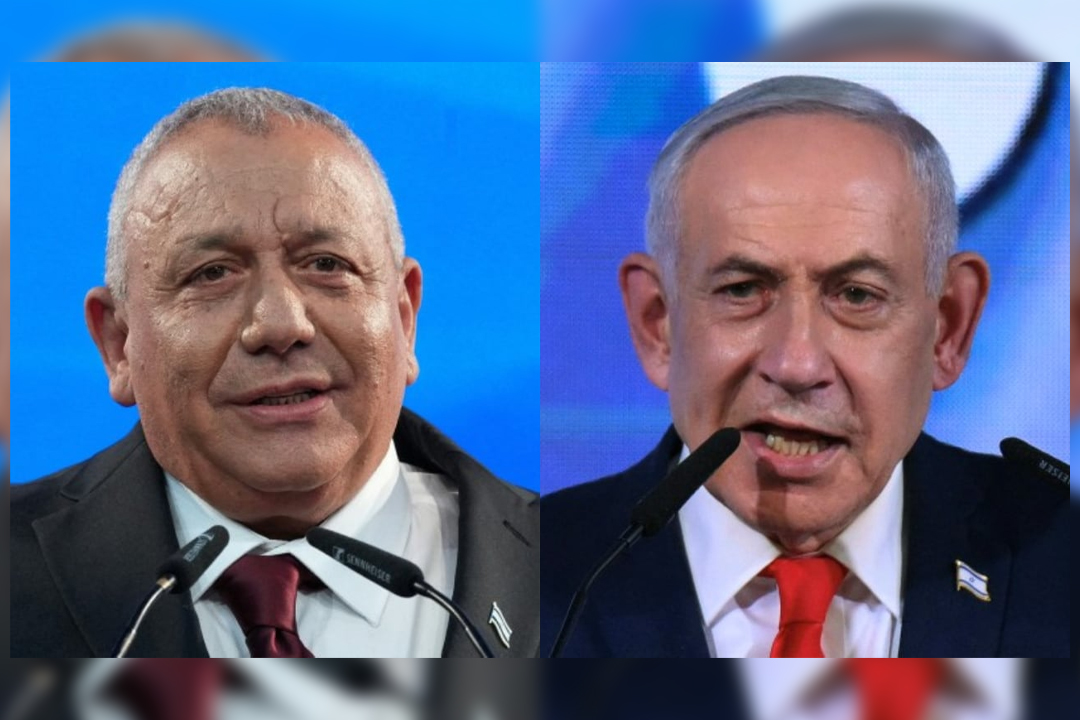
Israel is witnessing a significant political shift as former military chief Gadi Eisenkot has been given the opportunity to form the next government, putting Prime Minister Benjamin Netanyahu’s political future under pressure.
Israeli President Isaac Herzog has chosen Eisenkot, leader of the Yashar Party, to lead coalition-building efforts following the October 27 election, which resulted in a divided parliament without a clear majority.
Eisenkot secured recommendations from 67 lawmakers in the 120-member Knesset, compared to 46 who backed Netanyahu. Seven lawmakers chose not to support either leader. His support includes 48 members of the Change Bloc, seven from the Arab party Ra’am and 12 from the Joint List.
Eisenkot, who served as Chief of Staff of the Israel Defense Forces (IDF), entered politics in 2022 and gradually emerged as a major challenger to Netanyahu. His party secured 21 seats in the election, while the broader Change Bloc won 48 seats.
However, securing parliamentary recommendations is only the beginning of the challenge. Eisenkot must now bring together parties with differing political and ideological positions to establish a stable coalition.
One possible route is to form a minority government with external backing from Arab lawmakers. He could also negotiate with ultra-Orthodox parties or pursue a broader national unity arrangement. Each option, however, faces political complications, particularly over military conscription and the role of Arab parties in government formation.
Meanwhile, Netanyahu continues to fight to retain his position. The caretaker Prime Minister has called for a national unity government and strongly opposed any administration dependent on Arab-led parties. Eisenkot’s camp has criticised his remarks and questioned the political alliances maintained by Likud.
The political contest also reflects wider disagreements over the ongoing Gaza war, national security policies, military reforms and Netanyahu’s leadership.
Eisenkot previously served briefly in Netanyahu’s wartime cabinet following Hamas’s October 7, 2023, attack. He later returned to the opposition and became a vocal critic of the government’s handling of the war. He has also ruled out joining any government headed by Netanyahu.
If successful in forming a government, Eisenkot could make history as Israel’s first Mizrahi Prime Minister, representing a community with ancestral roots in the Middle East and North Africa.
Eisenkot has 28 days to complete the coalition-building process, with the possibility of a 14-day extension from the President. If he fails, another political leader could be given the opportunity, potentially including Netanyahu.
Should all government formation efforts collapse, Israel may face another election in early 2027.
For Netanyahu, the latest development represents a serious challenge to his long political career. For Eisenkot, the bigger test lies ahead: turning the support of 67 lawmakers into a functioning government capable of surviving political differences.