

1980s AI Photo Trend: What Is the Real Cost Behind a Single Image?
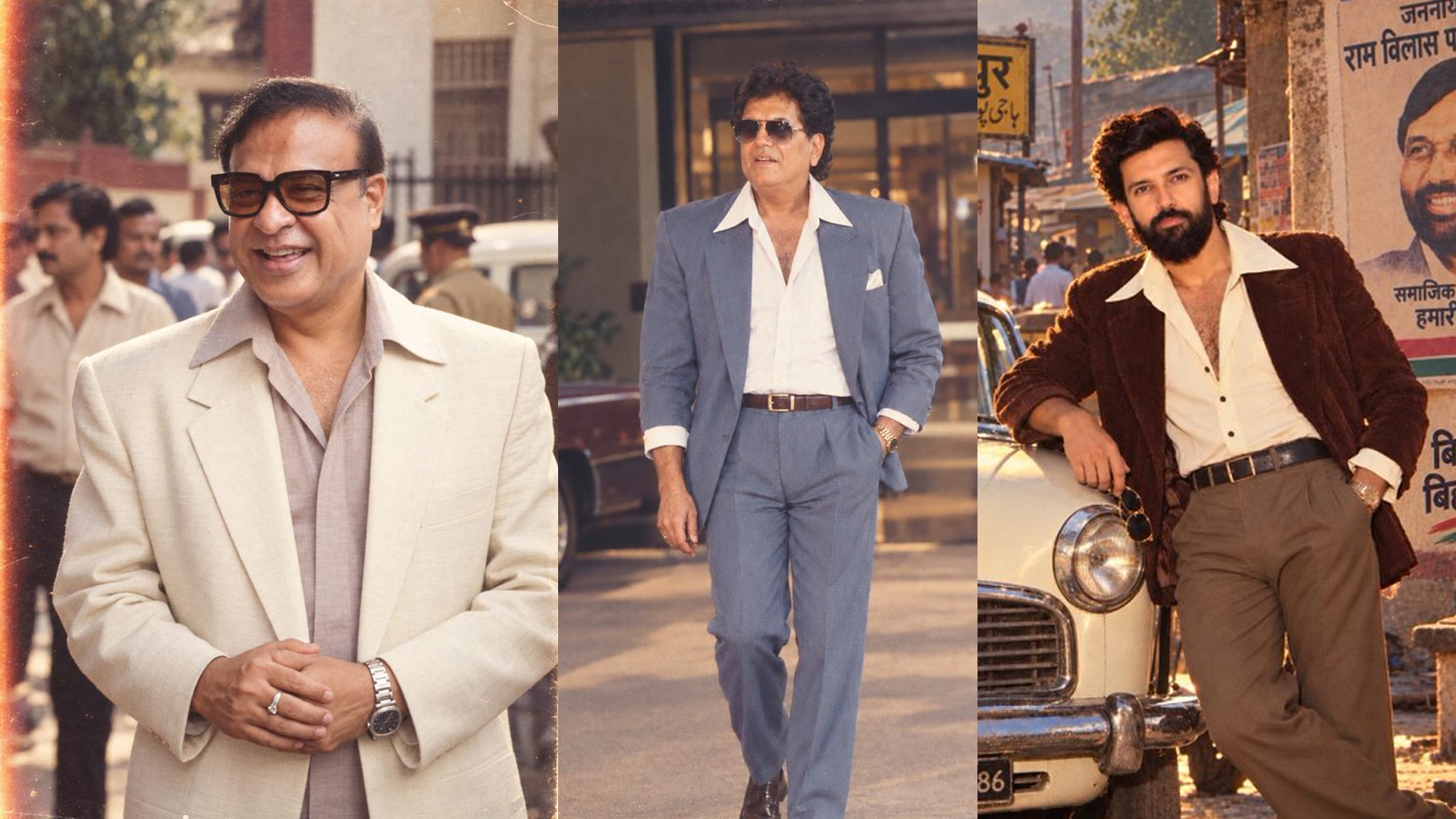
The 1980s nostalgia trend has taken social media by storm, with Instagram and X users using AI tools to transform their modern photographs into retro-style portraits.
The trend has also caught the attention of political leaders. Assam Chief Minister Himanta Biswa Sarma shared his own 1980s-inspired AI image, while Union Minister Piyush Goyal also joined the trend. Congress MP Shashi Tharoor, meanwhile, shared his actual photographs from the 1980s.
But behind the fun and nostalgia lies a bigger question: How much electricity and water does AI image generation require?
The Data Centre Behind AI Photos
AI-generated images are largely processed on powerful GPUs and servers housed in data centres. These machines require significant computing power and generate heat, which means data centres also need cooling systems.
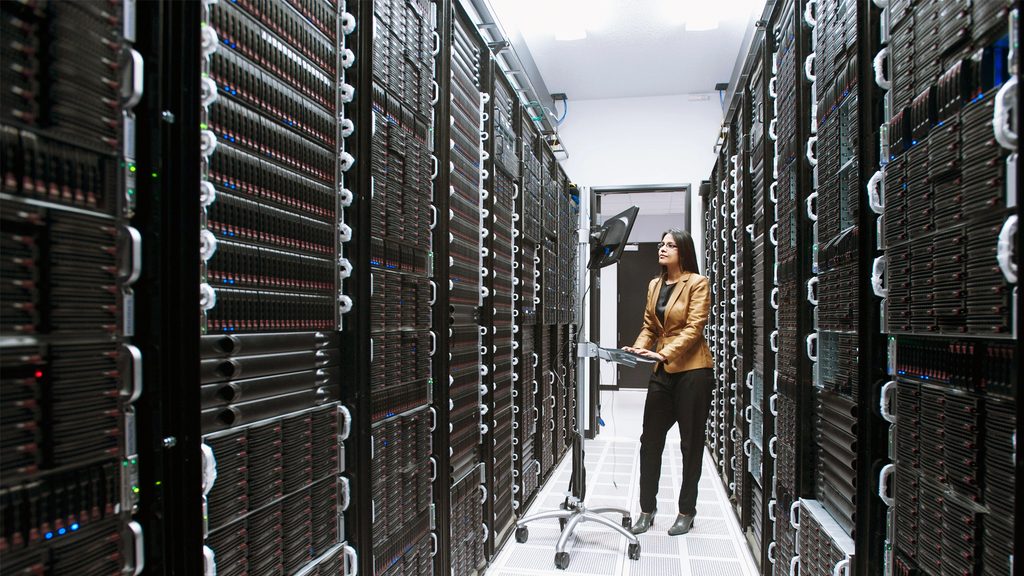
The environmental cost of AI therefore includes electricity, cooling, water and data-centre infrastructure.
India’s Data Centre Boom
India’s data-centre capacity has grown rapidly—from around 375 MW in 2020 to 1,500 MW in 2025, nearly a four-fold increase in five years.
Industry forecasts suggest capacity could reach 8,000–10,000 MW by 2030. Wood Mackenzie has made an even higher forecast of around 12 GW by 2030.
How Much Water Is Used?
Water is another major concern, particularly for cooling data-centre equipment.
Estimates suggest India’s data centres consumed around 150 billion litres of water in 2024–25, with annual consumption potentially reaching 358 billion litres by 2030.
A 100-MW hyperscale data centre can use around 2 million litres of water per day for cooling, although actual consumption varies depending on location, climate and cooling technology.
A Deloitte estimate puts water consumption at around 68,500 litres per day for a 1-MW data centre.
So, How Much Does One AI Photo Cost?
There is no reliable public figure showing exactly how much electricity or water is used to create one ChatGPT 1980s-style image.
The figure varies depending on the AI model, GPU, image resolution, number of generation attempts, data-centre efficiency and cooling technology.
A 2025 study examining 17 advanced AI image-generation models found energy consumption could vary by up to 46 times between models. Increasing image resolution could also significantly increase energy use.
What About the “500 ml for 20–50 Prompts” Claim?
Claims that 20–50 AI prompts consume around 500 ml of water have circulated online. However, this should not be treated as a fixed figure for AI image generation.
Water consumption depends heavily on the data centre, cooling system, climate and electricity source.

For comparison, a 2025 study of Google’s AI infrastructure estimated that a median Gemini text prompt used around 0.24 Wh of energy and 0.26 ml of water. However, that measurement applies to text prompts—not AI-generated images.
The Bigger Picture
One AI-generated image may have a relatively small individual footprint, but the impact can become significant when millions of users generate images repeatedly.
The growth of AI is already increasing demand for computing infrastructure. India’s Ministry of Power has projected that data centres could contribute to an additional 26.3 GW of electricity demand by 2031–32.
So, the real cost of the 1980s AI photo trend is not the price of generating one image. It is the cumulative demand for electricity, water, cooling and data-centre infrastructure as AI use expands.
The question for the future may therefore be not just how realistic AI images can become, but how efficiently they can be produced.