

Trump Signs Russia Sanctions Bill, India and China Face Threat of Up to 100% Tariffs
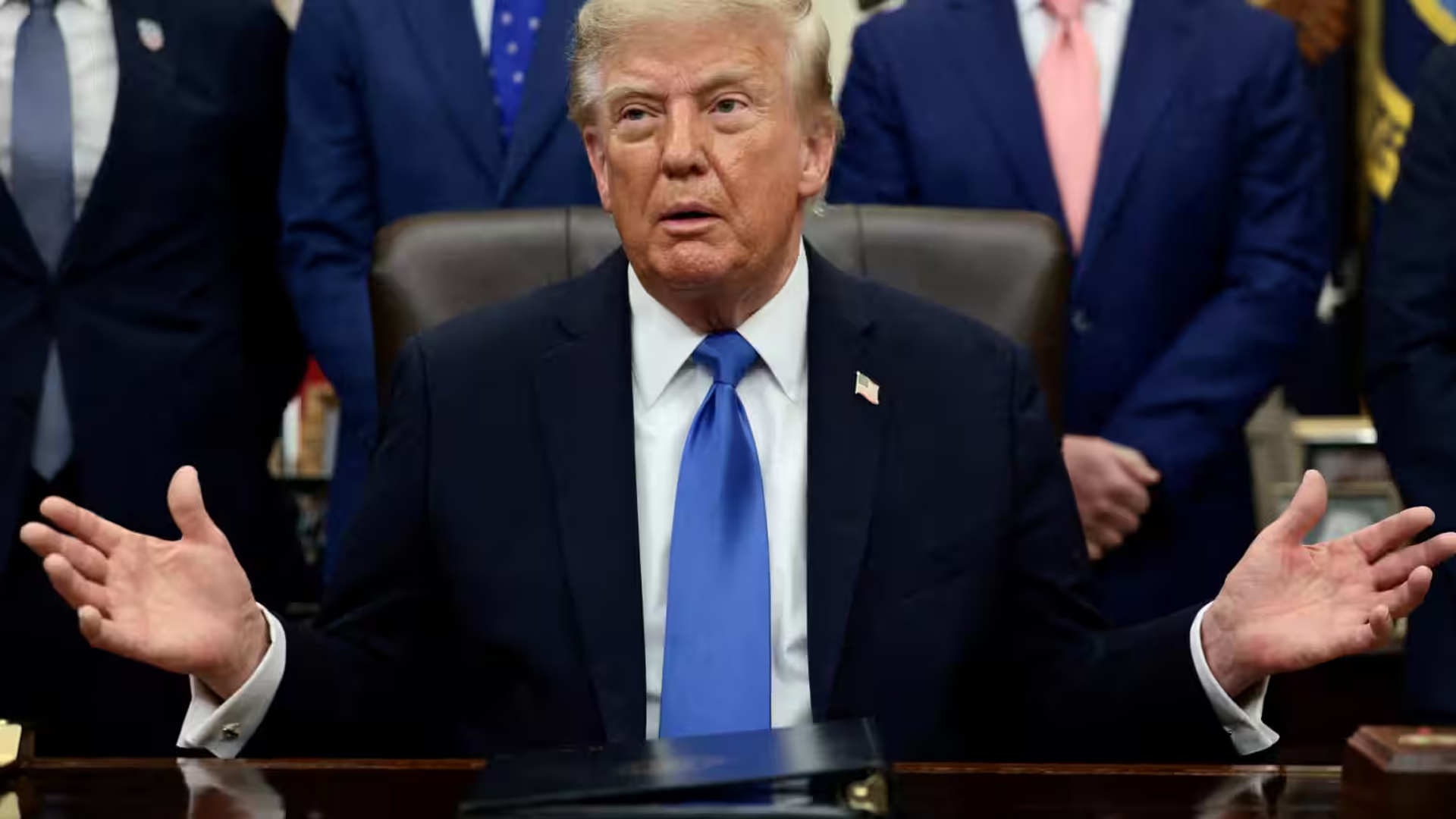
US President Donald Trump has signed a sweeping Russia sanctions bill into law, paving the way for tariffs of up to 100 per cent on countries purchasing Russian oil and gas. The move has raised concerns for major Russian energy importers, including India and China.
The legislation was passed by the Republican-led House of Representatives by a vote of 262-159, two days before Trump signed it into law.
Named the Lindsey O. Graham Sanctioning Russia and Iran Act of 2026, the law aims to restrict the financial resources supporting Russia’s war against Ukraine. It targets Russian officials, banks, energy interests and foreign entities accused of supporting Moscow’s military operations.
According to the House Ways and Means Committee, the legislation provides for tariffs of up to 500 per cent on Russian goods and duties of up to 100 per cent on goods from countries covered by provisions relating to Russian oil and gas purchases.
The law also includes sanctions against Russian President Vladimir Putin and senior Russian government officials.
India Faces Fresh Tariff Threat
India could face additional tariffs if Trump decides to exercise the powers granted under the legislation.
An amendment introduced by Democratic Congressman Steny Hoyer proposed explicitly naming 10 countries, including India, China, the UAE, Turkiye, Singapore and Hungary, as eligible for tariffs of up to 100 per cent under the bill’s secondary tariff provisions.
However, the amendment does not automatically impose a 100 per cent tariff on India. Any such move would depend on a decision by the US President.
The potential tariffs could affect Indian exports to the US, although the exact impact will become clear only after Washington announces the applicable rates.
India Reiterates Commitment to Energy Security
Responding to the developments, India said it remains committed to protecting its trade and economic interests.
The Ministry of External Affairs stated that India would continue to ensure energy security for its 1.4 billion people through diversified sourcing and in accordance with evolving market conditions.
The ministry also said India’s oil trade with Russia had been discussed with US officials at high levels in recent months. New Delhi, it added, had clearly communicated the potential implications for bilateral relations and international energy markets.
Background of India-US Trade Tensions
India and the US experienced strained trade relations last year after the Trump administration imposed an additional 25 per cent tariff on Indian imports over New Delhi’s purchases of Russian crude oil, alongside a 25 per cent reciprocal tariff.
The additional tariffs were removed in February 2026, while the reciprocal tariff was reduced to 18 per cent under a US-India trade framework.
Concerns Within the Republican Party
Despite broad Republican support for the sanctions legislation, some lawmakers reportedly expressed private concerns about its expanded tariff provisions.
According to CNN, several Republicans urged party leaders to remove the new tariff powers, warning that the measures could drive up prices further.
The law now gives Trump the authority to impose additional tariffs, but its eventual impact on India will depend on how the administration chooses to implement the provisions.