

Greenhouse Gas Levels Hit Record High in 2025, Raising Global Warming Concerns: WMO Issues Warning
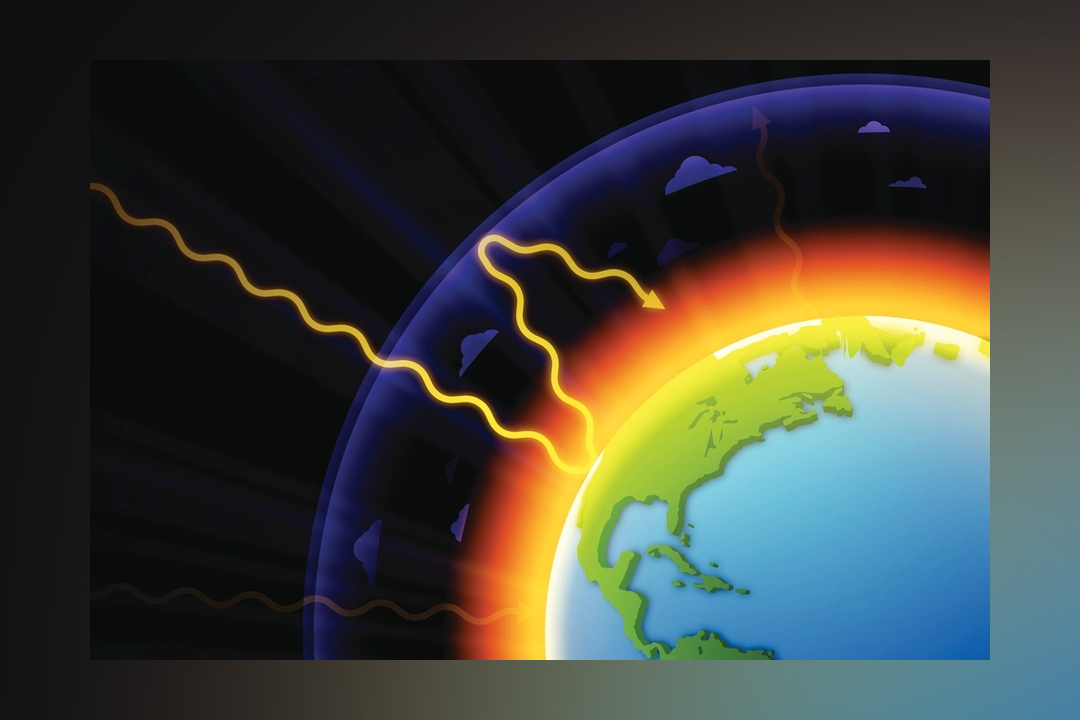
The impact of global warming on the planet is becoming increasingly alarming, with greenhouse gas concentrations continuing to break previous records. In 2025, the average atmospheric concentrations of carbon dioxide, methane and nitrous oxide reached unprecedented levels, raising fresh concerns about the future of the global climate. The alarming findings have been highlighted in the latest Greenhouse Gas Bulletin released by the World Meteorological Organization (WMO).
According to the WMO, each of the last 11 years has featured among the warmest years ever recorded in meteorological history. The rising concentration of greenhouse gases is further increasing the threat of global warming and extreme weather events.
As per the report, the average concentration of carbon dioxide in the atmosphere reached 426.8 parts per million (ppm) in 2025. This means that, on average, 426.8 out of every million air molecules were carbon dioxide molecules. The figure is 53 per cent higher than the pre-industrial level recorded in 1750.
Similarly, methane concentrations reached 1,948 parts per billion, while nitrous oxide levels stood at 339.1 parts per billion. Compared with pre-industrial levels, the concentrations of these two gases have increased by 167 per cent and 26 per cent, respectively.
These long-lasting greenhouse gases, largely released through human activities, trap heat in the atmosphere and play a major role in increasing global temperatures. Consequently, the risks of extreme weather events such as floods, droughts and heatwaves are also rising.
WMO Deputy Secretary-General Ko Barrett said carbon dioxide remains in the atmosphere for a prolonged period, meaning its impact on the climate is not limited to a few years but can continue for several centuries.
Notably, when the WMO published its first Greenhouse Gas Bulletin in 2004, the annual average concentration of atmospheric carbon dioxide stood at 377.5 ppm. During the 1960s, carbon dioxide levels increased by an average of 0.8 ppm annually. However, the rate of increase nearly tripled between 2011 and 2020.
Although the annual increase in carbon dioxide concentration slowed to 2.8 ppm between 2024 and 2025, compared with the record increase of 3.6 ppm between 2023 and 2024, the overall situation remains concerning.
According to the WMO, the partial recovery of land-based carbon absorption capacity and lower emissions from wildfires in 2025 may have contributed to the slower rate of increase. However, scientists warn that the threat of rising greenhouse gas concentrations remains significant.
WMO scientist Oksana Tarasova warned that carbon dioxide levels could continue to rise in 2026 due to ongoing fossil fuel consumption. A strong El Nino event could weaken the ability of land ecosystems to absorb carbon. At the same time, rising global temperatures could reduce the ocean’s capacity to absorb carbon dioxide.
Meanwhile, estimates by the United States National Oceanic and Atmospheric Administration (NOAA) show that the heat-trapping effect of long-lived greenhouse gases increased by 56 per cent between 1990 and 2025. Carbon dioxide alone accounted for approximately 81 per cent of this increase.
The bulletin has also raised concerns over gases used in air-conditioning systems and electrical equipment. In particular, the atmospheric concentration of sulphur hexafluoride, widely used in electrical equipment, recorded a record increase in 2025.
This gas can remain in the atmosphere for more than a thousand years. Its global warming potential is approximately 24,300 times greater than that of carbon dioxide.
In addition, atmospheric hydrogen concentrations increased by 5.3 per cent between 2010 and 2024. Although hydrogen is not itself a greenhouse gas, it can influence atmospheric chemical processes and contribute indirectly to global warming.
Overall, the continuous rise in greenhouse gas concentrations signals a growing climate crisis for the world. The WMO has emphasised the urgent need to reduce carbon emissions, limit dependence on fossil fuels and strengthen environmental protection measures to tackle the growing threat of global warming.