

Rising Human Noise Puts 80% of Studied Wildlife Species at Risk, Scientists Warn
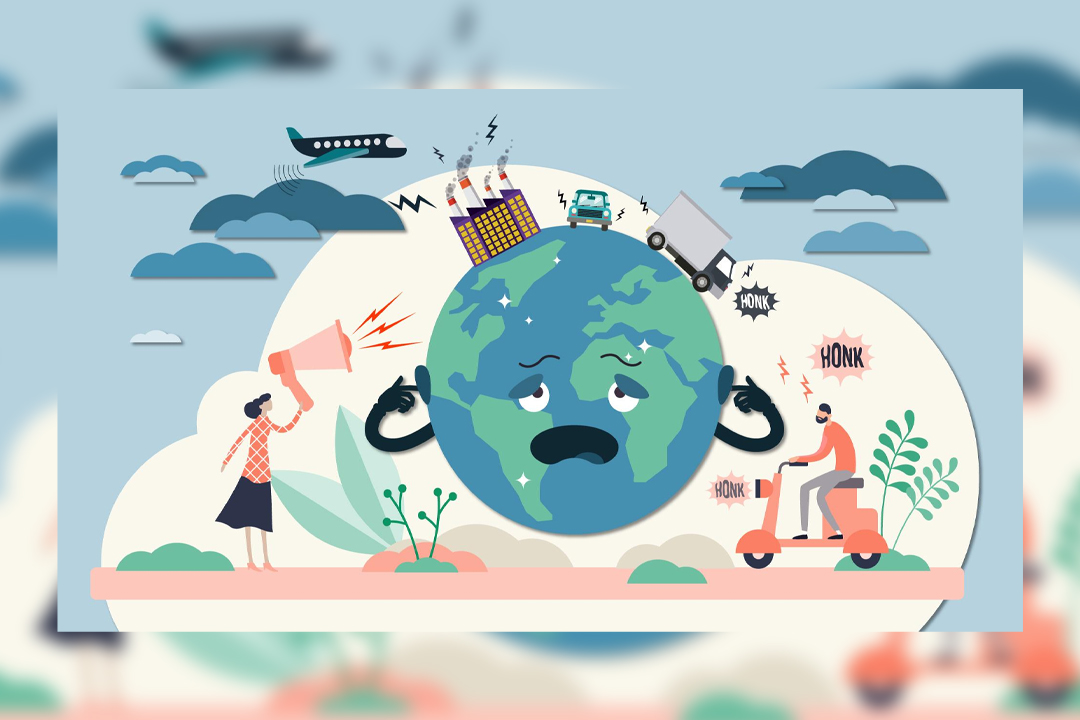
A major scientific review warns that noise from road traffic, shipping and industrial activities is threatening wildlife worldwide, disrupting animal behaviour, reproduction and survival.
Human-generated noise is emerging as a serious but often overlooked threat to global biodiversity, with a new study revealing that nearly 80 per cent of the wildlife species examined have been affected by noise pollution.
Published in the journal Science on November 5, the study, titled “Echoes of the Anthropocene: Noise Pollution as a Global Threat”, was conducted by researchers in the UK. The team analysed more than 200 experimental studies involving 177 aquatic and terrestrial species across six continents.
The findings reveal that noise pollution can alter vital biological functions, including reproduction, immune responses and survival. Across the studies, mortality rates increased by as much as 138 per cent, while overall biological fitness declined by 27 per cent.
The study highlights how excessive noise can disrupt the delicate balance between predators and prey. Animals exposed to unfamiliar sounds often become more alert, spending additional time hiding or avoiding potential threats.
This behavioural change can make hunting more challenging for predators. Researchers found that predators increased their hunting efforts by more than 150 per cent, even as their hunting success dropped by approximately 25 per cent.
Marine predators, including killer whales, are also vulnerable. Underwater noise can interfere with the acoustic signals they rely on to navigate, communicate and locate prey.
The effects of noise pollution extend beyond changes in animal behaviour. The research found that excessive noise can influence parental care, potentially affecting the survival and development of offspring.
While some bird species increase parental care in noisy environments, others reduce it, putting their young at greater risk.
Scientists also recorded elevated stress hormones, cellular damage and weakened immune responses in several species. Other affected functions included reflexes, cognitive abilities, specialised tissues and biological processes associated with mate selection.
Marine ecosystems are particularly susceptible to noise pollution because sound travels farther and faster underwater than through air.
Many marine species, from small invertebrates to whales, depend on sound for communication, navigation and finding food. Some also use echolocation to detect objects and locate prey.
A separate study published in Science in 2021 had already highlighted the growing impact of shipping, underwater construction and resource exploration on the natural acoustic environment of the oceans.
Interestingly, the latest research also found that noise does not affect all species in the same way. In certain situations, predators may benefit when noise forces prey animals out of their hiding places, making them easier to catch.
Researchers warn that noise pollution should be treated as a major environmental threat alongside habitat destruction and chemical contamination.
They recommend establishing low-noise zones and acoustic refuges where wildlife can communicate, reproduce and survive without constant human-generated disturbances.
The study emphasises that protecting forests, oceans and other natural habitats will not be enough unless their sound environments are protected as well.