

Modi govt steps up Gen Z outreach with one minister to visit one university every day to engage with youth
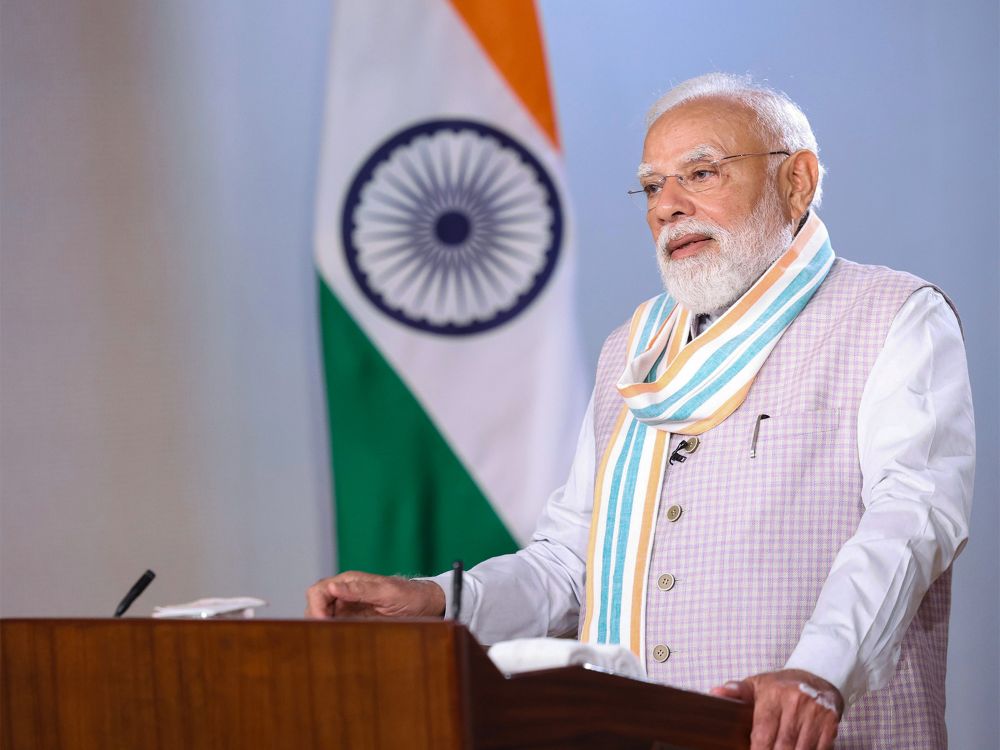
Prime Minister Narendra Modi-led central government is planning an extensive outreach programme aimed at strengthening its engagement with Gen Z and the country’s student community. Under the proposed initiative, a Union minister will visit one university every day to interact directly with students, understand their concerns and hear their views on issues affecting the country. The initiative, being referred to as the ‘One Day, One University’ programme, is also aimed at making young people more aware of government schemes and welfare initiatives designed for students and the youth. According to sources familiar with the plan, the minister assigned to a university will hold interactions with students, listen to their perspectives on a range of subjects and explain various government programmes that could benefit them.
Sources said that the issue of social media engagement of ministers and leaders was also discussed during the Cabinet meeting on Wednesday. Prime Minister Narendra Modi has the highest social media engagement. The comparison was made using data from the period between May and August, as per sources.
NEET paper leak protests form backdrop to outreach plan
The proposed initiative comes amid heightened student activism over the NEET paper leak controversy. Students have held protests at Delhi’s Jantar Mantar and in other parts of the country, raising concerns over examination integrity and demanding accountability.
The government’s planned university outreach assumes significance against this backdrop, as direct engagement with students could provide ministers an opportunity to understand concerns emerging from campuses and communicate the government’s position on issues affecting young people. The move also follows a period of intense political and public pressure over the handling of the examination controversy.
Joshi, Mandaviya to coordinate university visits
Education Minister Pralhad Joshi and Youth Affairs and Sports Minister Mansukh Mandaviya have reportedly been entrusted with coordinating the proposed visits with universities and the Union ministers who will participate in the programme. The plan was also discussed at a meeting of the Union Cabinet chaired by Prime Minister Narendra Modi on Wednesday, news agency PTI reported citing sources.
With around 1,300 universities across the country, the proposed programme could potentially create a large-scale platform for sustained interaction between the government and the student community.
Data from the University Grants Commission shows that India has 57 central universities and 522 state universities. The remaining institutions include deemed-to-be universities and private universities.
Student protests triggered political backlash
The government’s proposed outreach follows a turbulent period marked by student protests and political confrontation over the NEET controversy. A police crackdown on protesting students in Delhi on July 20 triggered a strong backlash. The issue subsequently spilled into Parliament, with Opposition parties disrupting proceedings during the Monsoon session.
Amid the continuing controversy, Dharmendra Pradhan resigned as Education Minister on July 25. Prime Minister Narendra Modi also made several attempts to reach out to students through social media.
What ‘One Day, One University’ could mean for students
The proposed programme is expected to take government outreach beyond formal announcements and create more direct conversations on university campuses. For students, such interactions could provide a platform to raise concerns about examinations, education, employment, skills, welfare schemes and other issues directly with Union ministers.
For the government, the initiative could serve as a way to better understand the priorities and concerns of a younger generation while communicating its policies and opportunities more directly. The programme also signals an effort to maintain sustained engagement with university students at a time when campus issues and youth concerns have become increasingly prominent in public and political discussions.