
Gadi Eisenkot Invites Netanyahu’s Likud Party for Fresh Talks on Forming Israel’s Next Government
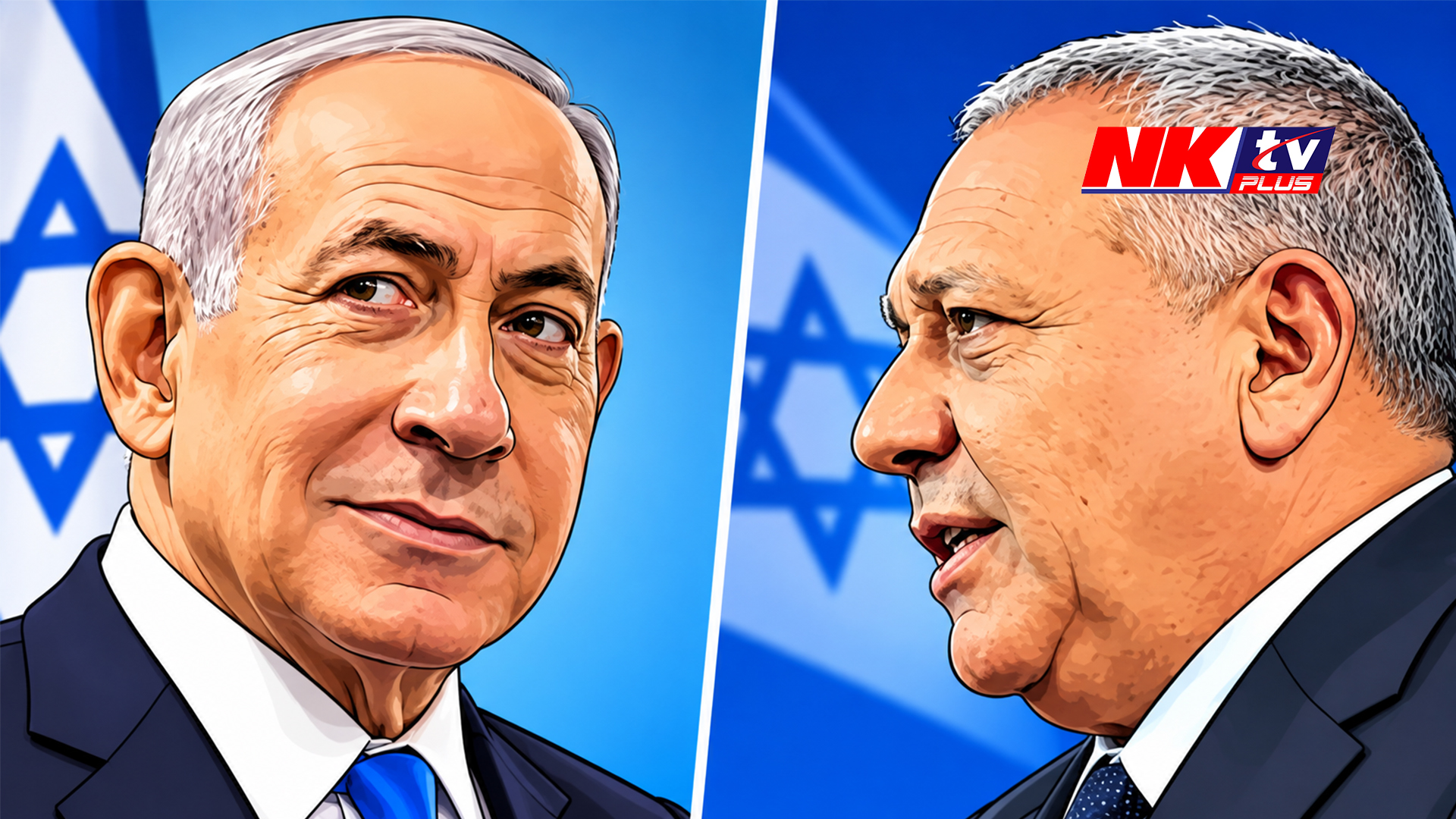
Former Israeli military chief Gadi Eisenkot has invited Prime Minister Benjamin Netanyahu’s right-wing Likud party for a fresh round of coalition negotiations, in a renewed effort to break the political deadlock and form Israel’s next government.
Eisenkot’s centrist Yashar party announced on Saturday that its negotiating team had been instructed to hold intensive discussions with Likud representatives, beginning with a meeting scheduled for Sunday, November 22. The initiative is aimed at exploring all possible options for forming what the party described as the “broadest possible government”.
The move comes after Israel’s October 27 election failed to give either political bloc a clear majority in the 120-member Knesset, leaving the country facing a challenging coalition-building process.
In a statement, Yashar said the party was committed to pursuing every possible avenue to establish a new government, adding that its negotiating team would make every effort to secure a breakthrough.
However, the proposed talks come amid significant political differences within Eisenkot’s camp over the composition of the next government. While some leaders favour a broad national unity arrangement, others have considered alternatives involving ultra-Orthodox parties or Arab-led political groups.
Former Prime Minister Naftali Bennett, an influential figure in Eisenkot’s political camp, has called for a Zionist unity government under Eisenkot’s leadership. Bennett has also made it clear that his party would not join a government led by Netanyahu or his political bloc.
Likud, meanwhile, has outlined its own conditions for a possible unity arrangement. These reportedly include ending political boycotts and personal attacks against Netanyahu, excluding Arab parties from the proposed coalition and agreeing on key national security and political issues.
Although Eisenkot has indicated that he may be open to working with members of Likud, he has previously ruled out serving in a government headed by Netanyahu himself.
The political arithmetic remains complicated. Eisenkot’s Change Bloc currently holds 48 seats in the Knesset, while Netanyahu’s wider political camp has 53. The two Arab-led parties together control 19 seats and could potentially provide the support needed for a minority government.
Eisenkot received the mandate to form a government from President Isaac Herzog on November 8, after 67 lawmakers recommended him for the task. He has 28 days to secure sufficient parliamentary support, with the deadline falling on December 6. The mandate can be extended by a further 14 days if necessary.
With the deadline approaching, the fresh negotiations with Likud could prove significant in determining the direction of Israel’s next government. However, major differences over political alliances, security policies and the role of Arab parties continue to complicate the formation of a governing coalition.