

Gangetic Bengal shifts to temperate climate zone
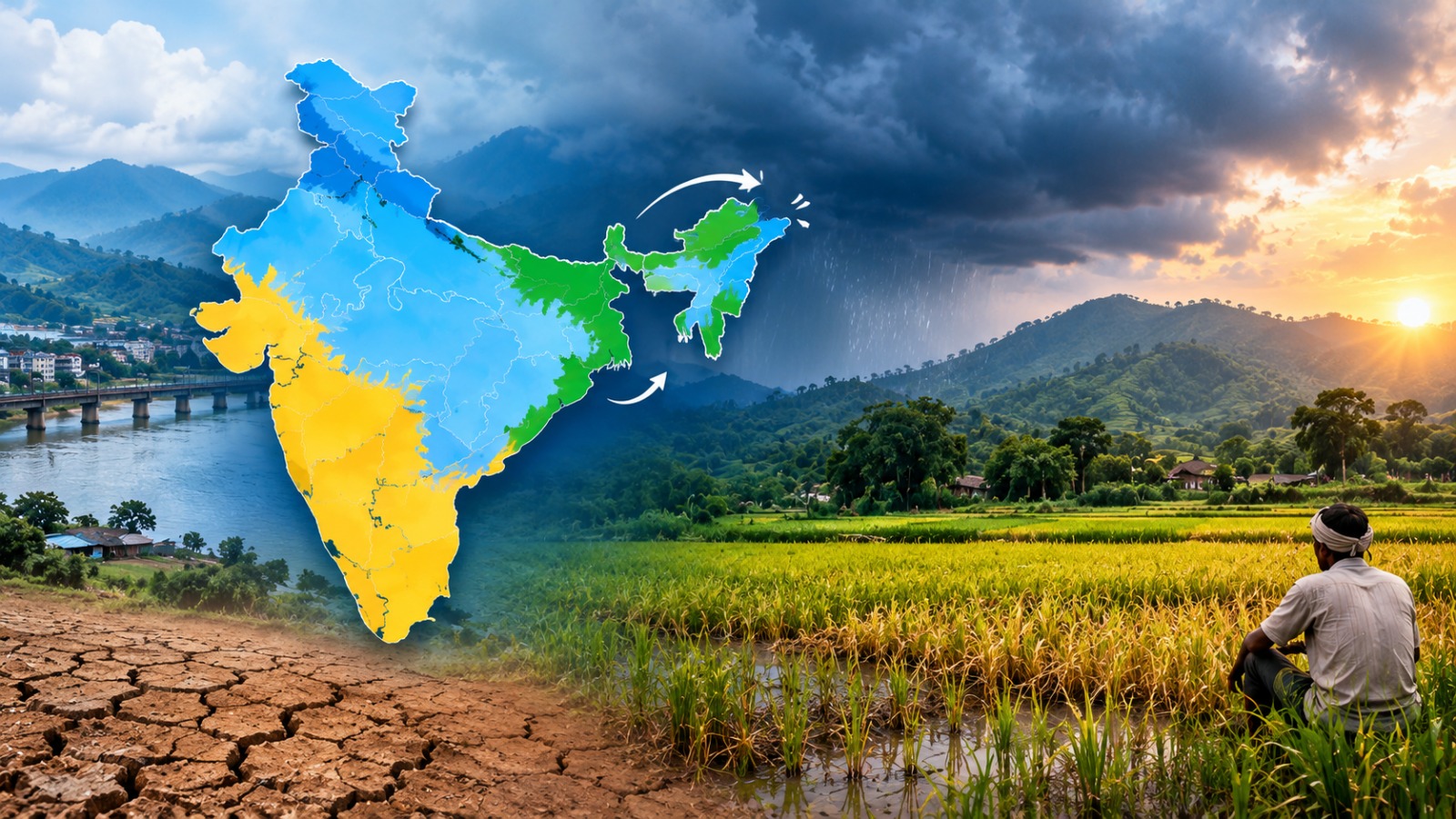
Gangetic West Bengal has shifted from the tropical savannah climate zone to the temperate zone, while the area of northeast India classified as tropical savannah has declined significantly over seven decades, according to a study by scientists from the India Meteorological Department (IMD) and the Indian Institute of Tropical Meteorology (IITM), Pune.
Published in MAUSAM, IMD’s peer-reviewed journal, the study found that the tropical savannah zone covered around 18% of northeast India during 1951–1980, but its share fell to 12% during 1991–2020. Meanwhile, the temperate climate zone expanded to cover more than 80% of the region.
The researchers analysed IMD observational data across successive 30-year periods to map changes in India’s climate zones. They attributed the expansion of the temperate zone partly to rising maximum temperatures across the region.
The study also reported a decline in annual rainfall over Gangetic West Bengal and Bihar between 1981 and 2020. Researchers linked the trend to the Victoria Mode, a recurring pattern of warmer and cooler sea-surface temperatures in the North Pacific that can influence atmospheric circulation and reduce moisture supply to the Gangetic plains.
The findings raise concerns about agricultural production, particularly paddy cultivation, as changing temperatures and rainfall patterns could affect sowing and harvesting schedules. The researchers stressed the importance of incorporating large-scale oceanic patterns into long-term agricultural planning to safeguard food security, water resources and livelihoods.
East and northeast India also recorded the country’s largest regional rainfall deficit during the monsoon season referenced in the report, at 25.6% below normal. Meghalaya recorded a shortfall of 60%, followed by Bihar at 32% and Assam at 28%, while West Bengal ended the season close to normal. The report attributed much of the seasonal deficit to El Niño, a periodic warming of the Pacific Ocean that can weaken the Indian monsoon.
Rajib Chattopadhyay of IITM Pune, a co-author of the study, highlighted the importance of monitoring North Pacific temperature patterns alongside El Niño to better understand rainfall variability and its implications for rice farmers.
IMD Director General of Meteorology Mrutyunjay Mohapatra, also a co-author, noted that a single season cannot establish a long-term climate trend. However, he emphasised that the seven decades of observations indicate significant changes in the region’s climate, alongside declining rainfall over the plains of Bengal and Bihar.
The researchers’ findings underline the need for improved climate monitoring, region-specific weather advisories and long-term agricultural planning to help communities adapt to changing climate conditions.